Affiliate disclosure: As an Amazon Associate, this site earns from qualifying purchases linked in this article.
Ready to buy? Check current prices on Amazon and compare deals before you decide.
Night sweats are a common experience for many women during menopause, often disrupting sleep and impacting overall well-being. These sudden episodes of intense heat and sweating can make restful nights challenging, leading to fatigue and discomfort.
While there’s no single ‘cure’ for night sweats, many women seek ways to manage their symptoms and improve sleep quality. One area of interest is exploring how changes to the sleep environment, specifically cooling beds and mattresses, might offer some relief. This article will discuss features that may contribute to a cooler sleep experience.
Understanding Night Sweats During Menopause
Menopause-related night sweats are a form of vasomotor symptom, similar to hot flashes experienced during the day[1][2]. They can vary in intensity and frequency among individuals, but their impact on sleep can be significant. Waking up drenched in sweat can lead to interrupted sleep cycles, making it difficult to fall back asleep and contributing to daytime fatigue[3][4].
Managing night sweats often involves a multi-faceted approach, which may include lifestyle adjustments, dietary considerations, and sometimes medical consultation[5]. For many, optimizing the sleep environment is a practical step to explore when seeking comfort.
How Cooling Beds and Mattresses Aim to Help
The concept behind cooling beds and mattresses is to regulate body temperature during sleep, potentially mitigating the discomfort of night sweats. These products are designed with various technologies and materials intended to dissipate heat, promote airflow, or actively cool the sleep surface. The goal is to create a more stable and comfortable temperature zone around the sleeper.
It’s important to understand that while these products are designed with cooling properties, individual experiences can vary. What works well for one person may not be as effective for another, and personal preferences play a significant role in comfort.
Key Features to Consider in Cooling Mattresses
When exploring cooling mattresses, several features are commonly highlighted for their potential to help regulate temperature:
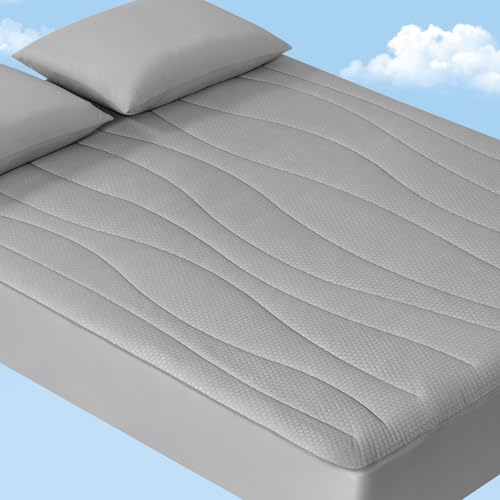
Materials and Construction: Some mattresses incorporate specific materials known for their breathability or heat-dissipating properties. For example, open-cell foams or gel-infused foams are often marketed as being cooler than traditional dense foams. Latex mattresses, derived from rubber trees, are also sometimes suggested for their natural breathability.
Airflow Design: Mattresses with channeled layers or perforated designs are intended to promote air circulation throughout the mattress, helping to prevent heat buildup. This increased airflow aims to draw heat away from the body.

Phase-Change Materials (PCMs): Certain mattresses and mattress toppers may integrate phase-change materials. These materials are designed to absorb and release heat to maintain a more consistent temperature. They can feel cool to the touch and are engineered to react to body temperature fluctuations.
Hybrid Designs: Hybrid mattresses, which combine springs with layers of foam, can offer a balance of support and airflow. The coil layer allows for more air circulation compared to an all-foam mattress, which may contribute to a cooler sleep surface.
Exploring Cooling Bedding and Accessories
Beyond the mattress itself, various bedding and accessory options are available that aim to enhance a cooler sleep environment:
Cooling Mattress Toppers: If replacing an entire mattress isn’t feasible, a cooling mattress topper can be a more accessible option. These toppers often utilize similar cooling technologies as mattresses, such as gel-infused foams, breathable latex, or phase-change materials, to add a cooling layer to your existing bed.
Breathable Sheets and Pillowcases: The material of your sheets and pillowcases can significantly impact perceived temperature. Natural fibers like cotton, linen, and bamboo are often recommended for their breathability and moisture-wicking properties, which can help keep you drier and cooler compared to synthetic materials. Look for weaves like percale, which tend to be crisp and breathable.

Cooling Pillows: Pillows designed with cooling features, such as gel inserts, shredded memory foam for airflow, or breathable covers, can help regulate head and neck temperature, which can contribute to overall comfort during night sweats.
Temperature-Regulating Comforters and Blankets: Lightweight, breathable comforters made from materials like bamboo, Tencel, or specific wool blends can offer warmth without trapping excessive heat. Layering blankets can also allow for easy adjustments throughout the night as your body temperature fluctuates.
Other Strategies for a Cooler Sleep Environment
While cooling beds and mattresses can be part of the solution, other environmental factors play a crucial role in managing night sweats:
Room Temperature: Keeping your bedroom cool is fundamental. Aim for a comfortable temperature, often cited as being between 60-67 degrees Fahrenheit (15-19 degrees Celsius). Using air conditioning, fans, or opening windows can help achieve this[6].
Ventilation: Ensuring good airflow in your bedroom can prevent heat from becoming stagnant. A ceiling fan or a bedside fan can provide a gentle breeze that helps dissipate heat and evaporate sweat.
Loose, Lightweight Sleepwear: Opt for sleepwear made from breathable, moisture-wicking fabrics like cotton, bamboo, or specialized performance fabrics designed to draw moisture away from the skin. Avoiding tight or heavy sleepwear can help your body regulate its temperature more effectively.

Hydration: Staying well-hydrated throughout the day can support overall body temperature regulation. However, avoid excessive fluid intake close to bedtime to minimize nighttime bathroom trips.
References
- Vasomotor and Related Menopause Symptoms. Clinical obstetrics and gynecology, 2018
- Duration of menopausal vasomotor symptoms over the menopause transition. JAMA internal medicine, 2015
- Nocturnal Hot Flashes: Relationship to Objective Awakenings and Sleep Stage Transitions. Journal of clinical sleep medicine : JCSM : official publication of the American Academy of Sleep Medicine, 2016
- Sleep and Sleep Disorders in the Menopausal Transition. Sleep medicine clinics, 2018
- The 2023 nonhormone therapy position statement of The North American Menopause Society. Menopause (New York, N.Y.), 2023
- Experimental study of the negative effects of raised bedroom temperature and reduced ventilation on the sleep quality of elderly subjects. Indoor air, 2022
These statements have not been evaluated by the Food and Drug Administration. This information is not intended to diagnose, treat, cure, or prevent any disease. Content is for informational purposes only and is not medical advice; consult a qualified healthcare provider before starting any supplement. As an Amazon Associate we earn from qualifying purchases.
