Affiliate disclosure: As an Amazon Associate, this site earns from qualifying purchases linked in this article.
Ready to buy? Check current prices on Amazon and compare deals before you decide.
Navigating menopause often brings a range of changes, and for many women, night sweats can be a particularly disruptive experience. These episodes of excessive sweating during sleep can interrupt rest, leading to fatigue and discomfort. While there are various strategies women explore to manage night sweats, adjusting the sleep environment is a common approach.
One area women often consider is their bedding, with cooling mattress pads and toppers frequently discussed as potential aids. These products are designed with features that aim to dissipate heat and promote a cooler sleep surface. This article explores what to look for in these products if you’re experiencing menopausal night sweats, acknowledging that evidence on their direct impact is still developing.
Understanding Menopausal Night Sweats and Sleep Disruption
Menopausal night sweats are a form of vasomotor symptom, similar to hot flashes experienced during the day[1][2]. They can range in intensity and frequency, often leading to soaked bedding and interrupted sleep. The disruption to sleep quality can have a ripple effect on daily life, impacting energy levels, mood, and overall well-being[3][4]. Many women seek non-pharmacological ways to manage these symptoms, and optimizing the sleep environment is a practical step[5].
While a cooling mattress pad or topper isn’t a direct solution for the underlying physiological changes of menopause, the idea behind using one is to create a more comfortable thermal environment. By reducing heat buildup around the body, these products may help minimize one of the triggers or aggravators of night sweats, potentially leading to less disturbed sleep[6].
How Cooling Mattress Pads and Toppers Are Designed to Help
Cooling mattress pads and toppers are generally designed with materials and structures that aim to regulate temperature. Unlike traditional mattress pads that might trap heat, these products often incorporate features intended to promote airflow, wick away moisture, or absorb and release heat. The goal is to maintain a more consistent and cooler temperature at the sleep surface throughout the night.
Common design elements include specialized foams, gel infusions, phase-change materials, and breathable fabric constructions. Each of these aims to address heat retention in different ways, from increasing ventilation to actively managing the temperature of the material itself. It’s important to understand that ‘cooling’ can refer to a range of mechanisms, and the effectiveness can vary between products and individuals.
Key Features and Materials to Consider
When exploring cooling mattress pads and toppers, several material and design features are frequently highlighted for their potential to offer a cooler sleep experience:
Phase-Change Materials (PCMs): These materials are engineered to absorb and release heat as your body temperature fluctuates. They aim to maintain a more stable sleep temperature by storing heat when you’re warm and releasing it back when you cool down, potentially creating a more balanced thermal environment.
Gel-Infused Foams: Many memory foam toppers incorporate gel particles or layers. The idea is that the gel helps to draw heat away from the body and dissipate it, counteracting the heat-retaining properties often associated with traditional memory foam. The effectiveness can depend on the density of the gel and the overall foam structure.
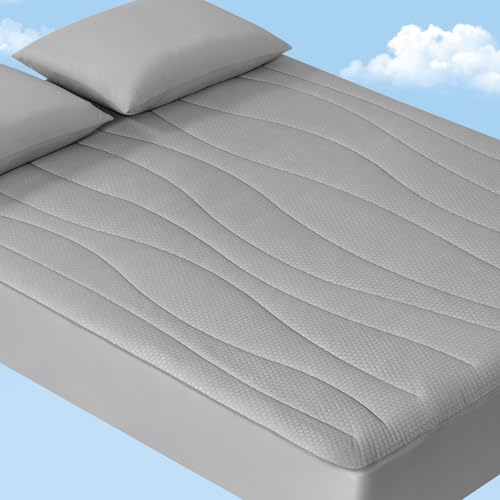
Breathable Fabrics and Construction: Materials like Tencel, bamboo, cotton, and specialized synthetic blends are often used for their moisture-wicking and breathable properties. A mattress pad with an open-cell structure or channels for airflow can also enhance ventilation, preventing heat from getting trapped. Some designs even feature active air circulation systems, though these are typically more complex and expensive.
Natural Latex: Latex, particularly natural latex, is often cited as being more breathable than synthetic foams. Its open-cell structure allows for better air circulation, which can help prevent heat buildup. It also tends to be durable and offers responsive support.
What to Look For When Making a Selection
Choosing the ‘best’ cooling mattress pad or topper is highly individual, as what works well for one person may not be ideal for another. Here are some factors to consider when making your selection:
Material Composition: Research the specific materials used and their purported cooling mechanisms. Some women find certain materials more effective than others. Consider if you prefer the feel of foam, latex, or a fiber-filled pad.

Thickness and Firmness: Mattress toppers can significantly alter the feel of your mattress. Consider if you want to add plushness, firmness, or just a thin layer for cooling. Thicker toppers might offer more temperature regulation but also a more pronounced change in mattress feel.
Maintenance: Check how easy the pad or topper is to clean. Many have removable, machine-washable covers, which can be a practical benefit, especially if you experience frequent night sweats.
Reviews and Experiences: While not scientific evidence, reading reviews from other women who experience night sweats can offer insights into the practical effectiveness of different products in real-world scenarios. Look for comments specifically addressing cooling and comfort during sleep.
Trial Periods and Warranties: Given the investment, look for brands that offer a trial period or a good warranty. This allows you to test the product in your own sleep environment to see if it provides the desired comfort and cooling effect.
Integrating a Cooling Pad into a Holistic Approach
While a cooling mattress pad or topper may contribute to a more comfortable sleep environment, it’s often most effective when considered as part of a broader approach to managing menopausal night sweats. Other strategies that women often explore include keeping the bedroom cool, wearing moisture-wicking sleepwear, avoiding potential triggers like spicy foods or alcohol close to bedtime, and practicing relaxation techniques.
The goal is to create an optimal sleep sanctuary that supports restful sleep. By addressing multiple aspects of your sleep environment and daily habits, you may find greater comfort and reduced sleep disruption. A cooling mattress pad can be a valuable component in this overall strategy, helping to mitigate one aspect of the night sweat experience.
References
- Vasomotor and Related Menopause Symptoms. Clinical obstetrics and gynecology, 2018
- Duration of menopausal vasomotor symptoms over the menopause transition. JAMA internal medicine, 2015
- Nocturnal Hot Flashes: Relationship to Objective Awakenings and Sleep Stage Transitions. Journal of clinical sleep medicine : JCSM : official publication of the American Academy of Sleep Medicine, 2016
- Sleep and Sleep Disorders in the Menopausal Transition. Sleep medicine clinics, 2018
- The 2023 nonhormone therapy position statement of The North American Menopause Society. Menopause (New York, N.Y.), 2023
- Experimental study of the negative effects of raised bedroom temperature and reduced ventilation on the sleep quality of elderly subjects. Indoor air, 2022
These statements have not been evaluated by the Food and Drug Administration. This information is not intended to diagnose, treat, cure, or prevent any disease. Content is for informational purposes only and is not medical advice; consult a qualified healthcare provider before starting any supplement. As an Amazon Associate we earn from qualifying purchases.
