Affiliate disclosure: As an Amazon Associate, this site earns from qualifying purchases linked in this article.
Ready to buy? Check current prices on Amazon and compare deals before you decide.
As women navigate menopause, many observe changes in their skin, including alterations in elasticity and hydration. These changes are often linked to shifts in hormone levels, which can influence the skin’s structure and appearance.
Collagen, a protein abundant in the skin, is frequently discussed in relation to maintaining skin integrity. Given its role, some women consider collagen supplements as a way to support skin health during menopause. This article explores what the current research suggests about collagen supplements for menopausal skin.
Understanding Collagen and Its Role in Skin
Collagen is the most plentiful protein in the human body, providing structural support to various tissues, including skin, bones, and cartilage. In the skin, collagen fibers contribute to its strength and elasticity. During the aging process, and particularly with the hormonal changes of menopause, the body’s natural collagen production can decrease, potentially affecting skin texture and appearance.
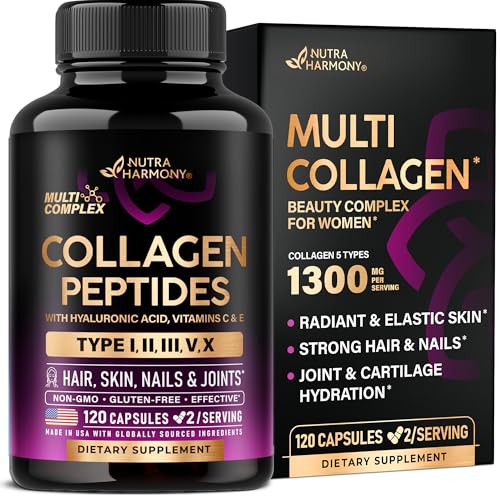
There are several types of collagen, with Type I and Type III being the most common in skin. Collagen supplements typically contain hydrolyzed collagen, also known as collagen peptides, which are smaller protein fragments thought to be more easily absorbed by the body.
How Menopause May Affect Skin Health
The decline in estrogen levels during menopause is a significant factor in skin changes. Estrogen plays a role in maintaining skin hydration, collagen content, and elasticity. Reduced estrogen can lead to a decrease in collagen synthesis, thinning of the epidermis, and reduced skin moisture. These changes can contribute to the appearance of fine lines, wrinkles, and a loss of firmness.
While these skin changes are a natural part of aging and menopause, many women seek ways to support their skin’s health and appearance during this time.
Collagen Supplements: What the Research Indicates (Limited Evidence)
The scientific evidence specifically examining the benefits of collagen supplements for menopausal skin health is limited. While some studies have explored the effects of various dietary supplements on bone health markers in postmenopausal women, these studies do not directly address skin outcomes. For example, a network meta-analysis reviewed the effects of dietary supplements on bone turnover markers in women after menopause [1]. Another study investigated the effect of an ipriflavone-containing supplement on urinary N-linked telopeptide levels in postmenopausal women [2]. These studies, while relevant to postmenopausal health, do not provide direct evidence on collagen’s impact on skin.

General research on collagen supplements for skin, outside of the menopausal context, has sometimes suggested potential benefits for skin hydration and elasticity. However, these findings are not specific to the unique physiological changes occurring during menopause, and the overall body of evidence supporting significant improvements in skin health from collagen supplementation remains limited and often based on small studies or industry-funded research. Therefore, while collagen supplements are widely available, there is not strong, direct evidence from the provided PMIDs to confirm their specific efficacy for menopausal skin concerns.
Choosing a Collagen Supplement: Considerations
If you are considering a collagen supplement, several factors may influence your choice. Collagen supplements are available from various sources, including bovine (cow), marine (fish), and poultry. Some individuals prefer marine collagen due to its perceived higher bioavailability, though robust comparative evidence is often lacking.
Supplements come in various forms, such as powders, capsules, and liquids. The “best” form often comes down to personal preference and ease of incorporation into your daily routine. Look for products that are third-party tested for purity and quality, as this can help ensure the product contains what it claims and is free from contaminants. Always review the ingredient list for potential allergens or unwanted additives.

Dietary Approaches to Supporting Skin Health
Beyond supplements, a balanced diet rich in nutrients can play a vital role in supporting overall skin health during menopause. Foods rich in vitamin C, for example, are essential for collagen synthesis. Antioxidants found in fruits and vegetables can help protect skin cells from damage. Healthy fats, such as those found in avocados, nuts, and fatty fish, contribute to skin hydration and barrier function.
Staying adequately hydrated by drinking plenty of water throughout the day also supports skin moisture and overall skin function. These dietary and lifestyle approaches are foundational for skin health, regardless of supplement use.
What We Don’t Know Yet
Current research has not definitively established the specific efficacy of collagen supplements for addressing the unique skin changes experienced during menopause. While some studies have looked at dietary supplements and bone markers in postmenopausal women[1][2], direct, robust evidence specifically on menopausal skin health outcomes from collagen supplementation is still emerging. More targeted research is needed to understand if, and how, collagen supplements may specifically support skin health during this distinct life stage.
Safety and Potential Side Effects
Collagen supplements are generally considered safe for most people. However, some individuals may experience mild digestive side effects, such as bloating, heartburn, or feelings of fullness. Allergic reactions are also possible, particularly for those with allergies to fish, shellfish, or eggs, depending on the collagen source.
It’s important to choose reputable brands and to be aware of any other ingredients included in the supplement. As with any dietary supplement, it’s advisable to discuss its use with a healthcare professional, especially if you have underlying health conditions or are taking other medications.
References
- Effects of dietary supplements on bone turnover markers in women after menopause: a network meta-analysis. PeerJ, 2025
- The effect of an ipriflavone-containing supplement on urinary N-linked telopeptide levels in postmenopausal women. Journal of women’s health & gender-based medicine, 2000
These statements have not been evaluated by the Food and Drug Administration. This information is not intended to diagnose, treat, cure, or prevent any disease. Content is for informational purposes only and is not medical advice; consult a qualified healthcare provider before starting any supplement. As an Amazon Associate we earn from qualifying purchases.
