Affiliate disclosure: As an Amazon Associate, this site earns from qualifying purchases linked in this article.
Ready to buy? Check current prices on Amazon and compare deals before you decide.
Perimenopause, the transition period leading up to menopause, can bring a range of new experiences, from shifts in menstrual cycles to changes in mood and sleep. Many women seek ways to navigate these changes and may consider dietary supplements as part of their approach.
This article examines the current research on various supplements for perimenopause symptoms. Our goal is to provide a clear, evidence-based overview to help you understand what the science suggests, without making any medical claims or offering personal advice.
Navigating Vasomotor Symptoms: Hot Flashes and Night Sweats
Vasomotor symptoms, commonly known as hot flashes and night sweats, are among the most frequently reported experiences during perimenopause. While hormone therapy is a well-established option, some women explore plant-based approaches.
Fenugreek (Trigonella foenum-graecum) has been investigated for its potential role in alleviating vasomotor symptoms. One randomized, double-blinded, placebo-controlled study observed that a novel extract of fenugreek seeds showed efficacy in reducing both vasomotor symptoms and feelings of depression in perimenopausal women [1]. This suggests a potential benefit for some individuals experiencing these particular changes.
Chamomile (Matricaria chamomilla) is another plant-based option that has been studied. A triple-blind clinical trial indicated that chamomile intervention might be effective in managing menopausal symptoms [2]. While the term ‘menopausal symptoms’ is broad, this research suggests chamomile’s potential relevance for the transition period as well. Herbal remedies, including those derived from plants, have been a subject of interest in integrated healthcare for managing menopausal symptoms for some time [3].

Addressing Mood and Anxiety During Perimenopause
Mood fluctuations, including increased feelings of anxiety, are common during the perimenopausal transition. Research is increasingly exploring the complex interplay between the gut microbiome and mental well-being.
The gut microbiota is being investigated as a potential therapeutic pathway for perimenopausal anxiety, suggesting that dietary approaches influencing gut health could play a role [4]. This area of research is still developing but highlights a novel perspective on managing mood changes.
Beyond gut health, some specific plant-based compounds have been explored for anxiety. A systematic review noted that various nutritional and herbal supplements have been investigated for anxiety and anxiety-related disorders [5]. This broader category includes ingredients that might be relevant to perimenopausal women experiencing anxiety, though specific perimenopause-focused studies on all these compounds are not always available.
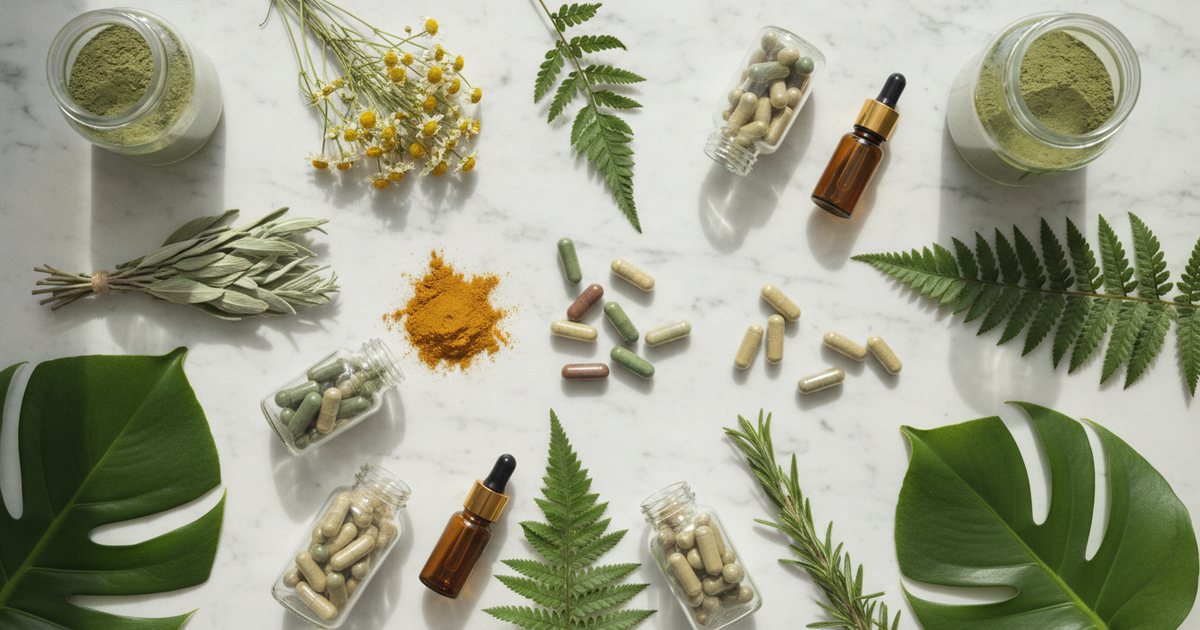
The neurobiology of plant-based therapeutics in women’s reproductive health, including mechanisms and efficacy, is an active area of investigation [6]. This suggests a growing scientific interest in understanding how these natural compounds might influence the brain and mood during periods like perimenopause.
Supporting Hair Health in Midlife
Changes in hair, such as thinning, can be a concern for women in perimenopause and beyond. Nutritional supplements specifically formulated for hair health have been evaluated.
One randomized, double-blind, placebo-controlled study investigated a nutraceutical supplement for promoting hair growth in perimenopausal, menopausal, and postmenopausal women experiencing thinning hair [7]. The findings suggested that this specific supplement could be beneficial for supporting hair growth in this population. It’s important to note that results may vary between individuals and with different formulations.
Before you buy: black cohosh and liver safety. Nature’s Way Black Cohosh Root contains black cohosh. Products labelled as black cohosh have been implicated in cases of clinically apparent acute liver injury, some of them severe enough to lead to emergency liver transplantation or death, and the National Institute of Diabetes and Digestive and Kidney Diseases maintains a dedicated LiverTox monograph covering those reports. Causality is contested rather than settled, and a structured review of the early cases concluded it was not established in any of them. What the sources agree on is the practical guidance: anyone with existing liver disease should avoid black cohosh, and anyone taking it should stop and seek medical care if jaundice, dark urine, unusual fatigue or right-sided abdominal pain develops. Our evidence review of black cohosh safety works through the case reports and the causality assessments.

The Role of Probiotics and Gut Health
The gut microbiome’s influence on overall health is a rapidly expanding field of study, with implications for various bodily systems, including those impacted by hormonal shifts.
A systematic review and meta-analysis specifically investigating the effects of probiotics during the menopause transition found that probiotics may have a role in influencing various aspects of health during this time [8]. While the specific mechanisms and full range of benefits are still being elucidated, this research points to the potential of probiotics to support well-being during perimenopause.
As mentioned earlier, the gut microbiota is also being explored as a novel therapeutic pathway for perimenopausal anxiety, suggesting a broader impact of gut health on mood [4].
Multisymptom Support Approaches
Given the varied nature of perimenopausal experiences, some approaches focus on supporting multiple symptoms simultaneously. These often involve combinations of ingredients.
The Effectiveness of Multisymptom Support for Better Relief and Alleviation of Common Effects in Perimenopause (EMBRACE PERIMENOPAUSE) study is exploring the utility of such approaches [9]. While specific findings from this study are anticipated, the concept highlights an interest in comprehensive support for the diverse changes women may encounter during this transition.
References
- Efficacy of a novel extract of fenugreek seeds in alleviating vasomotor symptoms and depression in perimenopausal women: A randomized, double-blinded, placebo-controlled study. Journal of food biochemistry, 2020
- Efficacy and safety of Matricaria chamomilla intervention in managing menopausal symptoms: a triple-blind clinical trial. Menopause (New York, N.Y.), 2025
- Integrated healthcare: herbal remedies for menopausal symptoms. British journal of nursing (Mark Allen Publishing), 2006
- The Gut Microbiota in Perimenopausal Anxiety: A Novel Therapeutic Pathway Through Diet. Nutrients, 2026
- Nutritional and herbal supplements for anxiety and anxiety-related disorders: systematic review. Nutrition journal, 2010
- The neurobiology of plant-based therapeutics in women’s reproductive health: mechanisms, efficacy, and clinical translation. Frontiers in nutrition, 2025
- A Randomized, Double-Blind, Placebo-Controlled Study of a Nutraceutical Supplement for Promoting Hair Growth in Perimenopausal, Menopausal, and Postmenopausal Women With Thinning Hair. Journal of drugs in dermatology : JDD, 2021
- Investigating the effects of probiotics during the menopause transition: A systematic review & meta-analysis. Clinical nutrition ESPEN, 2025
- Effectiveness of Multisymptom Support for Better Relief and Alleviation of Common Effects in Perimenopause (EMBRACE PERIMENOPAUSE). Cureus, 2025
These statements have not been evaluated by the Food and Drug Administration. This information is not intended to diagnose, treat, cure, or prevent any disease. Content is for informational purposes only and is not medical advice; consult a qualified healthcare provider before starting any supplement. As an Amazon Associate we earn from qualifying purchases.
