Affiliate disclosure: As an Amazon Associate, this site earns from qualifying purchases linked in this article.
Ready to buy? Check current prices on Amazon and compare deals before you decide.
Menopause brings significant hormonal changes, particularly a decrease in estrogen, which plays a crucial role in maintaining bone density [1]. This shift can lead to accelerated bone loss, increasing the focus on strategies to support skeletal health during this time.
Many women consider dietary supplements as part of their approach to bone health during menopause. This article reviews the current evidence regarding common supplements and their potential impact on bone density and fracture risk, offering an evidence-based perspective.
Calcium and Vitamin D: The Foundational Duo
Calcium is a primary building block of bone, and adequate intake is essential throughout life, especially during and after menopause when bone remodeling shifts [2]. Vitamin D is equally important as it helps the body absorb calcium from the gut, making it available for bone mineralization [3].

Multiple studies have explored the combined impact of calcium and vitamin D supplementation on bone health in postmenopausal women. A systematic review and meta-analysis of randomized controlled trials indicated that combined calcium and vitamin D supplementation may have beneficial effects on bone mineral density (BMD) in postmenopausal women [4]. Another systematic review found that calcium associated with vitamin D supplementation may influence bone remodeling markers and fracture risk in postmenopausal women without osteoporosis [5]. However, older research also suggested that while calcium and vitamin D supplementation might modestly reduce the risk of fractures, the effect may vary [6].
It’s important to consider that while these supplements are often recommended, the optimal dosages and individual responses can vary. Dietary sources of calcium, such as dairy products, leafy green vegetables, and fortified foods, should also be considered as part of a comprehensive approach to bone health[7][8].
Magnesium: An Essential Mineral for Bone Structure
Magnesium is another mineral that contributes to bone health, playing a role in bone formation and influencing the activity of vitamin D [3]. It is estimated that about 50-60% of the body’s magnesium is found in bone [9].
While magnesium’s importance for bone structure is recognized, the evidence specifically on magnesium supplementation for improving bone health in postmenopausal women is less extensive compared to calcium and vitamin D. Some research highlights its role in overall skeletal health, often in conjunction with other nutrients [3]. Ensuring adequate magnesium intake through diet, including leafy greens, nuts, seeds, and whole grains, is generally recommended.

Vitamin K2: Beyond Blood Clotting
Vitamin K is well-known for its role in blood clotting, but vitamin K2, a specific form, has gained attention for its potential involvement in bone health. It is believed to activate proteins that help incorporate calcium into bone tissue and regulate calcium deposition [3].
Current research suggests that vitamin K2 may contribute to skeletal health, working alongside calcium and vitamin D [3]. However, the strength of evidence for vitamin K2 supplementation alone significantly improving bone mineral density or reducing fracture risk in postmenopausal women is still developing and often comes from studies combining it with other nutrients.
Collagen Peptides: Supporting Bone Matrix
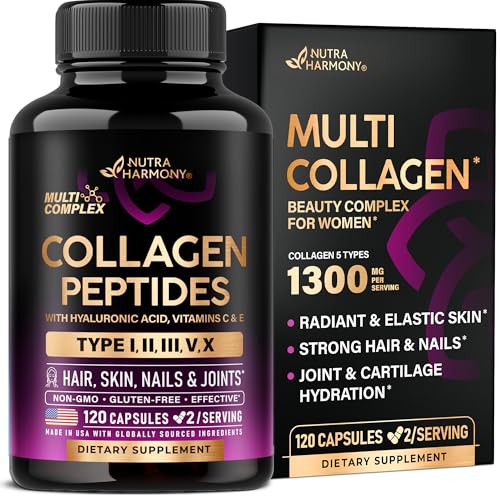
Collagen is the most abundant protein in the body and forms a significant part of the bone matrix, providing flexibility and strength to bones [10]. As women age and estrogen levels decline, the quality and quantity of collagen in bones can be affected.
Some research has investigated the potential impact of specific collagen peptides on bone health. One randomized controlled study found that specific collagen peptides improved bone mineral density and bone markers in postmenopausal women [10]. While these findings are promising, more extensive research is needed to fully understand the long-term benefits and optimal use of collagen supplements for bone health during menopause.
References
- Menopausal osteoporosis: screening, prevention and treatment. Singapore medical journal, 2021
- Osteoporosis and the Ageing Skeleton. Sub-cellular biochemistry, 2019
- Calcium, vitamin D, vitamin K2, and magnesium supplementation and skeletal health. Maturitas, 2020
- Effects of combined calcium and vitamin D supplementation on osteoporosis in postmenopausal women: a systematic review and meta-analysis of randomized controlled trials. Food & function, 2020
- Supplementation of vitamin D isolated or calcium-associated with bone remodeling and fracture risk in postmenopausal women without osteoporosis: A systematic review of randomized clinical trials. Nutrition (Burbank, Los Angeles County, Calif.), 2023
- Calcium plus vitamin D supplementation and the risk of fractures. The New England journal of medicine, 2006
- Osteoporosis prevention and nutrition. Current osteoporosis reports, 2009
- Food fortification for bone health in adulthood: a scoping review. European journal of clinical nutrition, 2016
- A review of select vitamins and minerals used by postmenopausal women. Maturitas, 2010
- Specific Collagen Peptides Improve Bone Mineral Density and Bone Markers in Postmenopausal Women-A Randomized Controlled Study. Nutrients, 2018
These statements have not been evaluated by the Food and Drug Administration. This information is not intended to diagnose, treat, cure, or prevent any disease. Content is for informational purposes only and is not medical advice; consult a qualified healthcare provider before starting any supplement. As an Amazon Associate we earn from qualifying purchases.
