Affiliate disclosure: As an Amazon Associate, this site earns from qualifying purchases linked in this article.
Ready to buy? Check current prices on Amazon and compare deals before you decide.
As women navigate midlife, many notice shifts in their skin’s appearance and feel. These changes, often including increased dryness, the emergence of more prominent wrinkles, and a perception of reduced firmness, are frequently linked to the hormonal transitions of menopause. Understanding the underlying biological processes can help demystify why these shifts occur [1].
This article will explore the evidence-based connections between menopause and these common skin changes. We’ll look at how declining hormone levels, particularly estrogen, influence the skin’s structure and function, leading to the noticeable alterations many women experience during this phase of life.
The Role of Estrogen in Skin Health
Estrogen plays a significant role in maintaining skin health and vitality. Before menopause, estrogen contributes to several key aspects of skin structure and function, including collagen production, skin hydration, and elasticity. As estrogen levels decrease during perimenopause and postmenopause, these supportive functions diminish, leading to observable changes in the skin[1][2].
The skin contains estrogen receptors, which means that estrogen can directly influence skin cells. When estrogen binds to these receptors, it helps to support the production of essential components like collagen and hyaluronic acid, both crucial for maintaining the skin’s youthful appearance and resilience[1][2].

Why Skin Becomes Drier During Menopause
One of the most common menopause skin changes is increased dryness. This is largely attributed to the reduction in estrogen, which impacts the skin’s ability to retain moisture. Estrogen contributes to the production of hyaluronic acid, a molecule known for its capacity to hold water, and also supports the skin’s barrier function, which helps prevent water loss [1].
With lower estrogen levels, the skin’s natural moisturizing factors may decrease, and the skin barrier can become less effective. This can result in a compromised ability to keep moisture locked in, leading to a drier, sometimes rougher, skin texture [1].
The Link Between Menopause and Increased Wrinkles
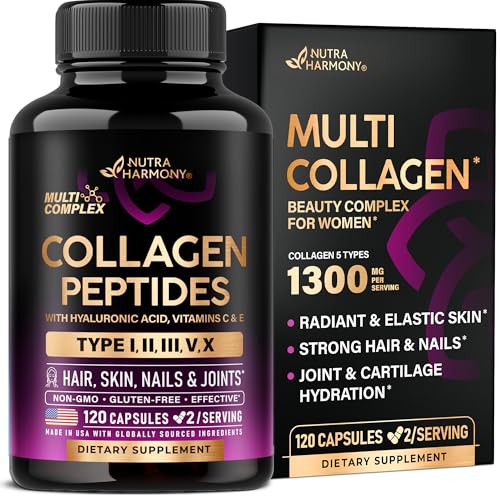
The appearance of new or more pronounced wrinkles is another frequently reported menopause skin change. Collagen, a protein that provides structural support and firmness to the skin, significantly declines after menopause. It is estimated that skin collagen can decrease by approximately 30% in the first five years following menopause, followed by a slower but continuous decline thereafter [3].
This substantial reduction in collagen, directly influenced by lower estrogen levels, contributes to the loss of skin elasticity and firmness, making the skin more susceptible to developing wrinkles and fine lines. The skin’s ability to bounce back and maintain a smooth surface is diminished as its underlying support structure weakens[1][3].
Understanding Skin Sagging and Loss of Firmness
Sagging skin, or a perceived loss of firmness, is closely related to the decline in collagen and elastin, both vital proteins for skin structure. Elastin provides the skin with its ability to stretch and recoil, while collagen gives it strength and volume. Both are negatively impacted by the reduction in estrogen during menopause [1].
As collagen and elastin production decreases, the skin loses its underlying support and elasticity, which can lead to a less firm appearance. The skin may seem to lose its ‘snap’ and begin to appear less taut, contributing to the perception of sagging, particularly in areas like the jawline and neck [1].
Considering Support for Menopausal Skin
While menopausal skin changes are a natural part of aging, understanding the hormonal factors involved can inform approaches to skin support. Some research suggests that therapies aiming to address estrogen deficiency, such as hormone replacement therapy (HRT), may have a positive influence on skin quality by helping to maintain collagen content and skin elasticity[4][5][6].
Additionally, topical applications of certain compounds, including estrogens, have been explored for their potential to support skin health during menopause. A systematic review on topical estrogen for skin aging is underway to further assess its safety and efficacy [7]. Other ingredients, such as genistein, a plant-derived compound, are also being studied for their therapeutic potential in perimenopausal and postmenopausal women, potentially influencing skin health[8][1].
References
- Menopause and the Skin: Old Favorites and New Innovations in Cosmeceuticals for Estrogen-Deficient Skin. Dermatology and therapy, 2021
- Postmenopausal skin and estrogen. Gynecological endocrinology : the official journal of the International Society of Gynecological Endocrinology, 2012
- Skin ageing. Menopause international, 2007
- Managing Menopausal Skin Changes: A Narrative Review of Skin Quality Changes, Their Aesthetic Impact, and the Actual Role of Hormone Replacement Therapy in Improvement. Journal of cosmetic dermatology, 2025
- Skin viscoelasticity during hormone replacement therapy for climacteric ageing. International journal of cosmetic science, 2014
- Does hormone therapy improve age-related skin changes in postmenopausal women? A randomized, double-blind, double-dummy, placebo-controlled multicenter study assessing the effects of norethindrone acetate and ethinyl estradiol in the improvement of mild to moderate age-related skin changes in postmenopausal women. Journal of the American Academy of Dermatology, 2008
- Topical estrogen for skin aging: A systematic review of safety and efficacy. Journal of the American Academy of Dermatology, 2026
- The Therapeutic Role of Genistein in Perimenopausal and Postmenopausal Women. The Journal of clinical and aesthetic dermatology, 2024
These statements have not been evaluated by the Food and Drug Administration. This information is not intended to diagnose, treat, cure, or prevent any disease. Content is for informational purposes only and is not medical advice; consult a qualified healthcare provider before starting any supplement. As an Amazon Associate we earn from qualifying purchases.
