Affiliate disclosure: As an Amazon Associate, this site earns from qualifying purchases linked in this article.
Ready to buy? Check current prices on Amazon and compare deals before you decide.
As women navigate the menopausal transition, various bodily changes can occur, and nails are no exception. Many women observe alterations in their nail appearance and strength, often leading to concerns about brittleness, splitting, and the development of ridges.
These changes can be a normal part of the aging process and may also be influenced by the hormonal shifts characteristic of menopause. Understanding the potential factors involved and adopting supportive practices can help maintain nail health during this time.
Common Nail Changes Observed During Menopause
During and after menopause, some women may notice their nails becoming more fragile, prone to breaking, or developing a dry, dull appearance. Vertical ridges, which are fine lines running from the cuticle to the tip of the nail, are also frequently reported. While these changes are often associated with aging, they can be particularly noticeable during the menopausal years.
Research indicates that dermatological conditions, including those affecting nails, are commonly observed in postmenopausal women. Studies have identified various dermatoses in this population, suggesting a link between the postmenopausal period and skin and nail health[1][2]. These observations highlight the importance of addressing nail health as part of overall well-being during menopause.
The Role of Hormonal Shifts in Nail Health
The decline in estrogen levels during menopause is thought to play a role in various physiological changes, including those affecting connective tissues. Estrogen has a wide range of functions throughout the body, and its reduction can influence the integrity of skin, hair, and nails. While direct evidence specifically linking estrogen decline to nail brittleness in humans is still being explored, animal studies suggest a relationship between estrogen deficiency and the structure of keratin and collagen, which are key components of nails and bones respectively [3].
Nails are primarily composed of keratin, a fibrous protein. Changes in the production or quality of keratin can impact nail strength and flexibility. The hormonal environment during menopause may influence these processes, potentially contributing to more fragile or brittle nails. It’s important to recognize that while hormone replacement therapy (HRT) can offer benefits for some menopausal symptoms, its direct impact on nail health is not a primary indication [4].
Understanding Brittle Nails (Onychoschizia)
Brittle nails, medically known as onychoschizia, are characterized by nails that split, peel, or break easily. This condition is common and can be exacerbated by environmental factors such as frequent water exposure, use of harsh chemicals, or mechanical trauma. While onychoschizia can affect anyone, it may become more prevalent or noticeable during menopause due to underlying changes in nail structure or hydration.
Some formulations designed to support nail integrity have been studied. For instance, a biomineral formulation showed efficacy and tolerability in addressing onychoschizia in a randomized trial [5]. Such findings suggest that targeted topical approaches may offer benefits for managing brittle nails.
Addressing Nail Ridges
Vertical ridges on nails are very common and often become more prominent with age. They typically run lengthwise from the cuticle to the tip of the nail. In most cases, these ridges are considered a normal variation and are not indicative of an underlying health problem. They are thought to be related to changes in the nail matrix, the area under the cuticle where nail growth originates. While they can be a cosmetic concern for some, they usually do not signify disease.
Horizontal ridges, on the other hand, are less common and can sometimes indicate a temporary interruption in nail growth due to illness, injury, or nutrient deficiencies. If you notice new or unusual horizontal ridges, or any other significant changes to your nails, it’s advisable to consult a healthcare professional.
Strategies for Supporting Menopausal Nail Health
While there’s no ‘cure’ for age-related nail changes, several strategies can help support nail health during menopause:

Moisturize Regularly: Keeping nails and cuticles hydrated can help improve flexibility and reduce brittleness. Use a rich hand cream or cuticle oil frequently, especially after washing hands or exposure to water.
Protect Your Hands: Wear gloves when doing dishes, cleaning with chemicals, or gardening to shield nails from harsh environmental factors and trauma.
Gentle Nail Care: Avoid harsh nail products, aggressive filing, or picking at cuticles. File nails in one direction with a fine-grit file, and keep them trimmed to a manageable length to minimize breakage.
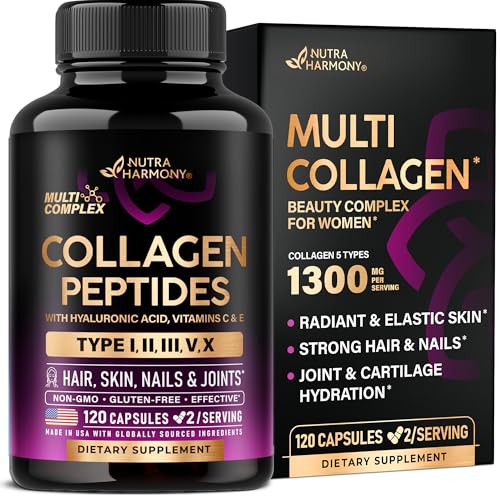
Nutrition: A balanced diet rich in vitamins and minerals is generally beneficial for overall health, including nail health. While specific supplements are sometimes promoted for nail strength, the evidence for their widespread efficacy in healthy individuals is varied. Some research explores the potential of supplements like collagen, curcumin, and glutathione to support dermal health in aging women with declining estrogen levels, suggesting areas for further investigation in relation to skin and nail integrity [6].
Consider Biotin: Biotin (vitamin B7) is a popular supplement for nail health, though the evidence for its benefit in individuals without a deficiency is mixed. If considering supplementation, discuss it with your healthcare provider.
References
- Dermatoses in Postmenopausal Women in a Tertiary Health Care Center of Bihar: A Prospective Cross-Sectional Study. Cureus, 2023
- A Cross-Sectional Study of Dermatoses in Postmenopausal Patients at an Urban Tertiary Healthcare Center. Cureus, 2025
- Raman spectroscopy predicts the link between claw keratin and bone collagen structure in a rodent model of oestrogen deficiency. Biochimica et biophysica acta. Molecular basis of disease, 2018
- Ten reasons to be happy about hormone replacement therapy: a guide for patients. Menopause international, 2010
- Efficacy and tolerability of a biomineral formulation for treatment of onychoschizia: a randomized trial. Clinical, cosmetic and investigational dermatology, 2019
- Collagen, Curcumin, and Glutathione to Enhance Dermal Health in Aging Women with Declining Estrogen Levels -A Narrative Review. Dermatology and therapy, 2026
These statements have not been evaluated by the Food and Drug Administration. This information is not intended to diagnose, treat, cure, or prevent any disease. Content is for informational purposes only and is not medical advice; consult a qualified healthcare provider before starting any supplement. As an Amazon Associate we earn from qualifying purchases.
