Affiliate disclosure: As an Amazon Associate, this site earns from qualifying purchases linked in this article.
An urge to move your legs that builds when you are still, worsens in the evening, and eases briefly when you get up and walk. Restless legs syndrome is a common reason for broken sleep in midlife women, it is frequently filed under perimenopause because the timing fits, and the research suggests that assumption is often wrong in a way that matters, because the most treatable cause is something else entirely.
As an affiliate site, PerimenopauseSupp.com may earn a commission from qualifying purchases made through links in this article, at no extra cost to you. This helps support the independent research that goes into our content.
What the Condition Actually Is
Restless legs syndrome is a sensorimotor disorder, not a circulation or muscle problem. The defining features are an urge to move the legs usually accompanied by uncomfortable sensations, symptoms that begin or worsen during rest or inactivity, partial or complete relief with movement, and a clear worsening in the evening or at night. That evening pattern is what separates it from general leg aches, and it is also why it damages sleep so effectively.
Women Are Affected About Twice as Often as Men
A review from the European RLS Study Group workshop on restless legs syndrome in women notes that disturbed sleep is much more prevalent in women than men generally, and that numerous studies report women being affected by restless legs syndrome about twice as often as men, for mild as well as moderate to severe cases[1]. That sex difference is what makes a hormonal explanation tempting.
What the Hormonal Evidence Actually Says
This is where the intuitive story breaks down. The same review reports that restless legs syndrome generally becomes worse, or may appear for the first time, during pregnancy, and that parity increases the risk of developing the condition later in life, which suggests pregnancy is a specific risk factor. Some evidence indicates that dysfunction in iron metabolism and high estrogen levels might contribute to the pregnancy-related form[1].
But on menopause specifically, the review states that menopause does not lower the incidence of restless legs syndrome, nor does hormone replacement therapy lead to an increase, and describes the overall relationship with sex hormones as complex[1]. Note that if high estrogen contributes during pregnancy, the falling estrogen of menopause would be predicted to reduce symptoms, and that is not what the data show. The hormonal narrative does not hold together neatly here, which is the honest reading.

The Cause Worth Investigating Instead
Iron is the thread that connects the pregnancy findings to a practical action in midlife. Restless legs syndrome appears in 32 to 40 percent of cases of iron deficiency according to a 2025 JAMA review, which lists it alongside fatigue, irritability, depression, difficulty concentrating, and pica among the symptoms of low iron stores[2].
That figure is why restless legs deserves a blood test rather than an assumption. Perimenopause frequently brings heavier menstrual bleeding, heavier bleeding means greater iron loss, and iron deficiency is a recognized contributor to restless legs. That same chain, from heavier periods to depleted iron stores to fatigue that is not hormonal, is followed in detail in how heavy perimenopausal periods drive iron deficiency and fatigue.
The same review notes that iron deficiency progresses from low stores to anemia, so a normal hemoglobin does not rule it out, and in high-income countries roughly 38 percent of non-pregnant reproductive-age women have iron deficiency without anemia[2].
The practical implication is direct. If restless legs has appeared or worsened during perimenopause, asking for a ferritin test is more likely to produce an actionable answer than attributing the symptom to hormones. Another cause of broken sleep that gets attributed to perimenopause and is frequently missed in women is examined in perimenopause and obstructive sleep apnea. Ferritin measures stored iron and is the test that detects the earlier stage a complete blood count can miss.
Other Contributors Worth Ruling Out
Several medications can provoke or worsen restless legs, including some antidepressants, antihistamines, and antinausea drugs, which makes a medication review worthwhile. Kidney disease, pregnancy, and peripheral neuropathy are other recognized associations. Caffeine and alcohol commonly aggravate symptoms even when they are not the cause.
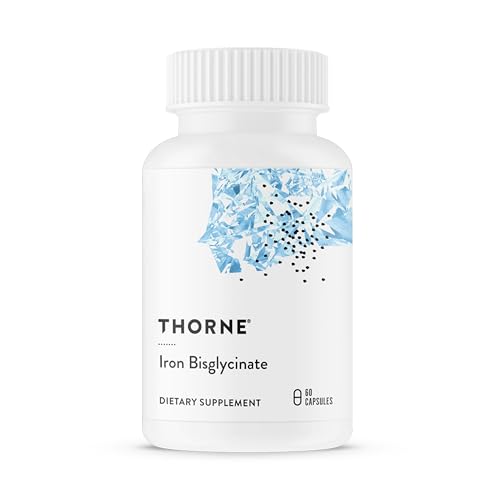
Iron should not be supplemented on the strength of symptoms alone. Excess iron is harmful, and unexplained deficiency sometimes points to a source of blood loss that needs identifying, so testing before treating is the order that matters.
Frequently Asked Questions
Does menopause cause restless legs syndrome?
The evidence does not support a simple menopausal cause. The European RLS Study Group review states that menopause does not lower incidence and hormone therapy does not increase it, describing the hormonal relationship as complex.
Why do women get it more than men?
Numerous studies report women being affected about twice as often. Pregnancy appears to be a specific risk factor, and having been pregnant increases the risk of developing the condition later in life, which may account for part of the difference.
What blood test should I ask for?
Ferritin, which reflects stored iron. Restless legs occurs in 32 to 40 percent of iron deficiency cases, and iron deficiency without anemia is common in reproductive-age women, meaning a normal complete blood count does not settle the question.

Is restless legs just poor circulation or cramp?
No. It is a sensorimotor condition defined by an urge to move that builds during rest, eases with movement, and worsens in the evening. Cramps are painful involuntary contractions and follow a different pattern.
References
- When gender matters: restless legs syndrome. Report of the “RLS and woman” workshop endorsed by the European RLS Study Group. Sleep Medicine Reviews, 2012
- Iron Deficiency in Adults: A Review. JAMA, 2025
These statements have not been evaluated by the Food and Drug Administration. This information is not intended to diagnose, treat, cure, or prevent any disease. Content is for informational purposes only and is not medical advice; consult a qualified healthcare provider before starting any supplement. As an Amazon Associate we earn from qualifying purchases.
