Affiliate disclosure: As an Amazon Associate, this site earns from qualifying purchases linked in this article.
Exhaustion during perimenopause is easy to explain away. Sleep is broken by night sweats, hormones are fluctuating, life at this stage is busy. All of that is true, and it can also quietly obscure a completely separate and very treatable cause: iron deficiency driven by heavier periods. The two conditions overlap in time, share several symptoms, and one of them is diagnosed with an inexpensive blood test.
As an affiliate site, PerimenopauseSupp.com may earn a commission from qualifying purchases made through links in this article, at no extra cost to you. This helps support the independent research that goes into our content.
Why This Combination Is So Easy to Miss
Perimenopause frequently brings heavier and less predictable bleeding, because cycles without ovulation allow the uterine lining to build without the progesterone that would normally organize a controlled bleed. Heavier monthly blood loss means heavier monthly iron loss. If losses outpace what the diet replaces, iron stores fall gradually, which means symptoms appear slowly enough to be mistaken for a new baseline.
The symptom overlap does the rest of the work. Fatigue, irritability, low mood, and difficulty concentrating are all documented features of iron deficiency[1], and all four are also on every list of perimenopausal symptoms. When a woman in her forties reports being tired and foggy, hormones are the intuitive explanation, and iron studies are not always the reflex.
How Common Iron Deficiency Actually Is
It is far more common than most people assume. A 2025 JAMA review reports that absolute iron deficiency, meaning low iron stores with or without anemia, affects roughly 2 billion people worldwide and about 14 percent of adults in the United States. More pointedly for this audience, in high-income countries approximately 38 percent of non-pregnant reproductive-age women have iron deficiency without anemia, and about 13 percent have iron-deficiency anemia[1].
That 38 percent figure is worth sitting with. Iron deficiency without anemia is the larger group by a wide margin, and it is precisely the group most likely to be missed if the only test ordered is a complete blood count. Fatigue that persists once low iron has been excluded is worth raising on its own terms, which is the subject of when to discuss persistent menopause fatigue and low libido with your doctor.
Why a Normal Hemoglobin Does Not Rule It Out
Iron deficiency progresses in stages. Stores are depleted first, and hemoglobin falls only later, once stores can no longer keep up with red cell production[1]. A woman can therefore be symptomatically iron deficient with a hemoglobin still comfortably inside the reference range, be told her blood count is normal, and leave without an answer.

The measure that identifies the earlier stage is ferritin, which reflects stored iron. Diagnosis of iron deficiency is usually straightforward and characterized by a low ferritin level, though the picture is harder to read in women who also have an inflammatory condition, because ferritin rises with inflammation and can mask depleted stores. In that situation a low transferrin saturation, measured after an overnight fast, can clarify whether iron is genuinely needed[2].
Where the Iron Is Going
In higher-income regions, iron deficiency in women is typically the result of heavy or otherwise abnormal uterine bleeding and of pregnancy, with iron-poor diets and impaired absorption from gut disorders also contributing[2]. Bleeding, both menstrual and gastrointestinal, is listed among the most common causes of iron deficiency generally[1].
This is also why the bleeding itself deserves attention rather than only the iron. Clinical guidance on perimenopausal abnormal uterine bleeding explicitly includes measuring hemoglobin and iron levels as part of the workup, and treats heavy bleeding that is causing anemia as something needing prompt treatment rather than watchful waiting[3]. Replacing iron while ignoring an ongoing heavy monthly loss is refilling a container that is still draining.
Symptoms Beyond Tiredness
Iron deficiency has a symptom set broader than fatigue, and some of its entries are distinctive enough to be a useful clue. Alongside fatigue, irritability, depression, and difficulty concentrating, the JAMA review lists restless legs syndrome in 32 to 40 percent of cases, pica (unusual cravings, classically for ice) in 40 to 50 percent, along with breathlessness, lightheadedness, exercise intolerance, and worsening heart failure where that is present[1].
Restless legs and ice craving are not typical perimenopause symptoms. If either shows up alongside heavy periods and fatigue, iron studies are a reasonable request. Which bleeding patterns fall within the normal range for perimenopause and which ones need investigating is set out in what is normal and what needs investigating with heavy or irregular perimenopausal periods.
Treatment and Why Some Women Struggle With Oral Iron
Treatment usually starts with oral iron salts. The practical difficulty is that oral regimens are commonly associated with adverse events, mostly gastrointestinal, and those side effects have been shown to reduce adherence and to interfere with reaching treatment targets. Absorption can also be impaired by coexisting conditions such as celiac disease or gastritis, by bariatric surgery, or by the body’s own regulatory mechanisms, which is part of why intravenous iron is being used more often[2].

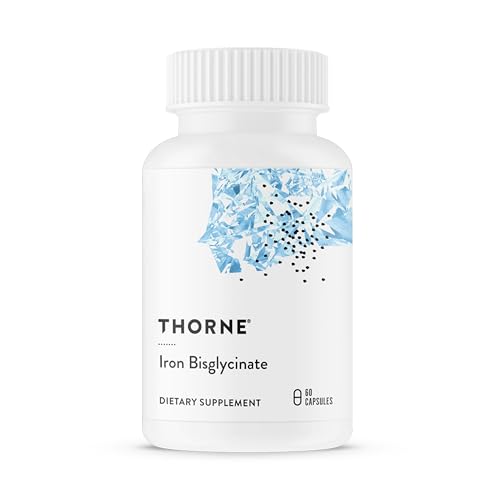
Iron supplementation is not something to start on your own on the strength of symptoms. Excess iron is harmful, and unexplained iron deficiency in an adult sometimes points to a source of blood loss that needs identifying. Testing first, then treating, is the order that matters here.

Frequently Asked Questions
Which blood test should I ask for?
Ferritin is the test that detects depleted stores before hemoglobin falls. A complete blood count alone can be normal in the roughly 38 percent of reproductive-age women in high-income countries who have iron deficiency without anemia.
Can iron deficiency cause brain fog that feels like perimenopause?
Difficulty concentrating is a documented symptom of iron deficiency, so the two presentations genuinely overlap. That is an argument for testing rather than for assuming one cause over the other, since both can be present at once.
Will taking iron fix my heavy periods?
No. Iron replaces what the bleeding has cost you, it does not reduce the bleeding. If heavy bleeding is the cause, that needs its own assessment and treatment, otherwise iron stores tend to fall again.
Do I need iron supplements if I eat plenty of red meat?
Diet helps, but it may not keep pace with sustained heavy monthly losses, which is why heavy uterine bleeding is a leading cause of iron deficiency in higher-income countries even among women eating adequately. Testing settles the question.
References
- Iron Deficiency in Adults: A Review. JAMA, 2025
- Iron Deficiency in Women’s Health: New Insights into Diagnosis and Treatment. Advances in Therapy, 2022
- Perimenopausal abnormal uterine bleeding. Maturitas, 2024
These statements have not been evaluated by the Food and Drug Administration. This information is not intended to diagnose, treat, cure, or prevent any disease. Content is for informational purposes only and is not medical advice; consult a qualified healthcare provider before starting any supplement. As an Amazon Associate we earn from qualifying purchases.
