Affiliate disclosure: As an Amazon Associate, this site earns from qualifying purchases linked in this article.
A migraine that shows up out of nowhere in your 40s, or an old pattern that suddenly gets worse, is one of the more disruptive perimenopause symptoms because it rarely gets connected to hormones until much later. Migraine is unusually sensitive to estrogen, and perimenopause is exactly the life stage where estrogen stops behaving predictably [1].
This article covers why perimenopause tends to worsen migraine for many women, what the estrogen-withdrawal mechanism actually is, who is most affected, and what the current hormonal-treatment evidence says about managing it.
Why Perimenopause Is a High-Risk Window for Migraine
Migraine prevalence changes faster during perimenopause than at almost any other point in a woman’s life, and clinicians who study the menopause transition specifically flag it as a peak period for migraine change [1]. The pattern is strongest in women who already had migraine tied to their menstrual cycle before perimenopause began, meaning a history of menstrual migraine is one of the clearest predictors of a rough perimenopausal stretch [2].
It is not simply that migraine gets worse with age. Multiple reviews describe worsening specifically clustered around the perimenopausal transition itself, with a more favorable course typically returning after natural menopause once hormone levels settle at a stable, lower baseline [3].
The Estrogen-Withdrawal Mechanism
The leading explanation is not that estrogen is simply too low. It is that estrogen swings, rapid rises followed by rapid drops, function as a migraine trigger, with the drop (“withdrawal”) phase mattering more than the absolute level [1]. Perimenopause is defined by exactly that kind of volatility: cycles become irregular, ovulation becomes unpredictable, and estrogen can spike and crash in ways that never happened during a woman’s earlier reproductive years.
This is why some women who never had hormone-related migraine in their 20s and 30s develop new migraine, or a new hormone-sensitive pattern, specifically during perimenopause, while women who already had menstrual migraine often see their existing pattern intensify as cycles become less predictable [4].
Treatment Considerations: Where Hormone Therapy Fits
Because the mechanism is tied to estrogen instability rather than low estrogen alone, the treatment logic that shows up across the literature is stabilization rather than simple replacement. Reviews on hormonal management of perimenopausal migraine describe tailoring therapy to minimize the estrogen and progesterone swings that trigger attacks, rather than just topping estrogen back up [3].

Delivery method matters here. Transdermal estradiol (patches or gels) tends to produce steadier blood levels than oral estrogen, which is why it is generally favored over oral forms specifically for migraine management during this transition [4] [3]. This is a conversation to have with a prescriber, not a do-it-yourself decision, and it comes with an important caveat below.
The one group that needs extra caution is women who experience migraine with aura (visual disturbances, numbness, or other neurological symptoms before the headache). Migraine with aura is associated with an increased stroke risk, and that risk factor has to be weighed carefully before adding any hormone therapy, which is exactly the kind of judgment call that belongs with a doctor who knows the full picture [2].
Everyday Strategies Alongside Any Medical Treatment
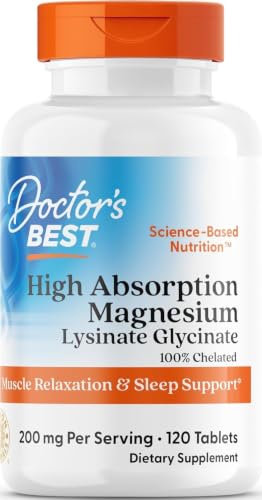
Consistent sleep and meal timing, hydration, and limiting known personal triggers (common ones include alcohol, caffeine withdrawal, and skipped meals) remain the foundation regardless of whether hormone therapy is part of the plan, since irregular routines add another layer of physiological instability on top of an already-volatile hormonal environment. Magnesium is one of the more commonly discussed nutritional supports for migraine prevention broadly, though its role specifically in perimenopausal, hormone-driven migraine has not been isolated in a dedicated trial the way the estrogen-stabilization research above has been.
Tracking attacks against your cycle, even an irregular one, for a few months can also help a doctor tell whether a hormonal pattern is present at all, which shapes whether hormone-focused treatment is even worth discussing.

Frequently Asked Questions
Why do migraines get worse during perimenopause specifically?
The leading explanation is estrogen “withdrawal,” meaning the rapid drop after a hormonal spike, rather than low estrogen on its own. Perimenopause produces exactly that kind of erratic rise-and-fall pattern, which is why migraine frequency and severity change so much during this window [1].
Will my migraines improve after menopause?
Many women see a more favorable course once hormones settle at a stable, lower level after natural menopause, though the transition itself, perimenopause, is typically the roughest stretch [3].
Is hormone therapy safe for perimenopausal migraine?
It can help by stabilizing estrogen swings, and transdermal forms are generally preferred over oral for this purpose, but women with migraine with aura carry an elevated stroke risk that needs to be discussed directly with a doctor before starting any hormone therapy [2].
Does having menstrual migraine before perimenopause predict what happens during it?
Yes. A history of migraine tied to your menstrual cycle is one of the clearest predictors that perimenopause will bring a noticeable change in migraine pattern, usually a worsening as cycles become irregular [2].

References
- Perimenopausal migraine in women with vasomotor symptoms. Maturitas, 2012
- Migraine and perimenopause. Maturitas, 2014
- Hormonal management of migraine at menopause. Menopause International, 2009
- Migraine, hormones and the menopausal transition. Climacteric, 2018
These statements have not been evaluated by the Food and Drug Administration. This information is not intended to diagnose, treat, cure, or prevent any disease. Content is for informational purposes only and is not medical advice; consult a qualified healthcare provider before starting any supplement. As an Amazon Associate we earn from qualifying purchases.
