Affiliate disclosure: As an Amazon Associate, this site earns from qualifying purchases linked in this article.
Ready to buy? Check current prices on Amazon and compare deals before you decide.
Menopause marks a significant transition in a woman’s life, characterized by a range of physical and emotional changes. Among the most commonly reported experiences are hot flashes, night sweats, and disruptions to sleep. These symptoms can impact daily life and overall well-being, prompting many to seek a clearer understanding of their underlying mechanisms.
This article aims to explain the current understanding of hot flashes, night sweats, and sleep disturbances as they relate to menopause. We will explore the physiological processes involved and discuss how these interconnected symptoms can manifest, drawing on available evidence to provide accurate and helpful information.
What Are Hot Flashes and Night Sweats?
Hot flashes are sudden sensations of intense heat that spread across the body, often accompanied by sweating, flushing, and sometimes palpitations. When these episodes occur during sleep, they are referred to as night sweats [1]. These vasomotor symptoms (VMS) are a hallmark of the menopausal transition and can vary significantly in intensity and frequency among individuals [2].
The exact cause of hot flashes is not fully understood, but it is believed to be related to changes in the brain’s thermoregulatory center within the hypothalamus [3]. Declining estrogen levels during perimenopause and menopause are thought to influence this center, leading to a narrowing of the thermoneutral zone – the range of body temperatures where comfort is maintained without sweating or shivering [4]. When the body’s temperature rises even slightly above this narrowed zone, the brain triggers a rapid heat dissipation response, resulting in a hot flash [2].
Before you buy: black cohosh and liver safety. Estroven Sleep Cool contains black cohosh. Products labelled as black cohosh have been implicated in cases of clinically apparent acute liver injury, some of them severe enough to lead to emergency liver transplantation or death, and the National Institute of Diabetes and Digestive and Kidney Diseases maintains a dedicated LiverTox monograph covering those reports. Causality is contested rather than settled, and a structured review of the early cases concluded it was not established in any of them. What the sources agree on is the practical guidance: anyone with existing liver disease should avoid black cohosh, and anyone taking it should stop and seek medical care if jaundice, dark urine, unusual fatigue or right-sided abdominal pain develops. Our evidence review of black cohosh safety works through the case reports and the causality assessments.

Research suggests that specific brain regions, including the insular cortex and hypothalamus, show metabolic activity that predicts hot flashes [3]. Furthermore, glutamatergic and GABAergic neurons in the preoptic area of the hypothalamus appear to play key roles in menopausal hot flashes [5]. While estrogen levels are known to decline, early research in postmenopausal women with hot flashes indicated that these women had lower estrogen levels compared to those without hot flashes [6].
The Link Between Vasomotor Symptoms and Sleep Disturbances
Sleep disturbances are a very common complaint during menopause, and they are often closely intertwined with hot flashes and night sweats [1]. Night sweats, by their very nature, can awaken individuals from sleep, leading to fragmented sleep patterns. The discomfort and physiological arousal associated with a hot flash can make it difficult to fall back asleep, contributing to overall sleep deprivation.

Beyond the direct disruption caused by night sweats, the hormonal shifts of menopause, particularly the decline in estrogen, may also independently influence sleep architecture and quality. Perimenopause has been described as a neurological transition state, highlighting the widespread impact of hormonal changes on brain function, including sleep regulation [4]. This can manifest as increased time to fall asleep, more frequent awakenings, and a reduction in deep, restorative sleep [1].
The connection between hot flashes, night sweats, and sleep is complex. While night sweats directly disrupt sleep, the underlying changes in thermoregulation and brain activity may also contribute to difficulty initiating and maintaining sleep, even in the absence of a noticeable hot flash [4]. This creates a cyclical challenge where poor sleep can potentially exacerbate the perception or frequency of hot flashes, although more research is needed to fully understand this bidirectional relationship.
Impact of Sleep Disturbances During Menopause
Chronic sleep disturbances during menopause can have a significant impact on daily functioning and overall health. Beyond fatigue and irritability, poor sleep can affect mood, concentration, and cognitive performance. The cumulative effect of fragmented sleep and sleep deprivation can lead to a reduced quality of life [1].
There is also emerging interest in the long-term implications of menopausal symptoms, including sleep disturbances, on health. For instance, female sex is recognized as a risk factor for Alzheimer’s disease, and the menopause connection is an area of ongoing investigation [7]. While direct causation is not established, understanding the full spectrum of menopausal changes, including sleep patterns, is crucial for women’s health.
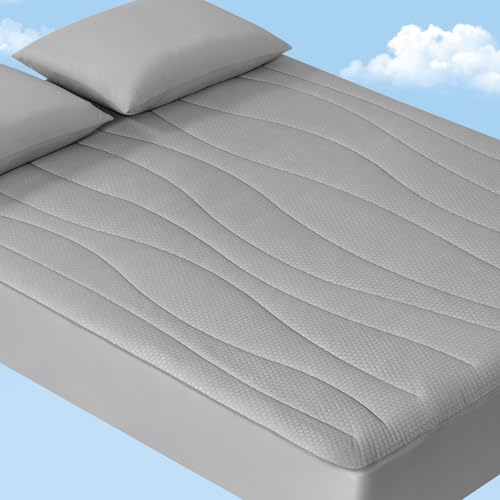
Addressing sleep disturbances is an important component of managing menopausal symptoms. Strategies that support better sleep hygiene and, when appropriate, other approaches can help improve sleep quality, which may, in turn, contribute to better management of other menopausal experiences [1].
Approaches to Managing Menopause Symptoms
While this article focuses on understanding the phenomena, it’s worth noting that various approaches are explored for managing hot flashes, night sweats, and sleep disturbances. These can range from lifestyle adjustments to medical considerations, tailored to individual needs and health profiles [1].
Emerging research continues to explore potential mechanisms and interventions. For example, studies have investigated the effects of omega-3 polyunsaturated fatty acids intake on vasomotor symptoms, sleep quality, and depression in postmenopausal women, with a systematic review suggesting some potential benefits [8]. Other research is looking into novel approaches, such as whether orexin antagonists might improve both insomnia and vasomotor symptoms in menopausal women [9]. Animal model studies are also contributing to our understanding, with research on the effects of estrogen prodrugs on thermoregulation and sleep in a marmoset model of menopause [10].

It is important for individuals experiencing these symptoms to discuss them with a healthcare professional to determine the most appropriate course of action based on their personal health history and current situation [1].
References
- Management of perimenopausal and menopausal symptoms. BMJ (Clinical research ed.), 2023
- Menopausal hot flushes revisited. Climacteric : the journal of the International Menopause Society, 2009
- Metabolic activity in the insular cortex and hypothalamus predicts hot flashes: an FDG-PET study. The Journal of clinical endocrinology and metabolism, 2012
- Perimenopause as a neurological transition state. Nature reviews. Endocrinology, 2015
- Glutamatergic and GABAergic neurons in the preoptic area of the hypothalamus play key roles in menopausal hot flashes. Frontiers in aging neuroscience, 2022
- Estrogen levels in postmenopausal women with hot flashes. Obstetrics and gynecology, 1982
- Female Sex and Alzheimer’s Risk: The Menopause Connection. The journal of prevention of Alzheimer’s disease, 2018
- Effects of Omega-3 Polyunsaturated Fatty Acids Intake on Vasomotor Symptoms, Sleep Quality and Depression in Postmenopausal Women: A Systematic Review. Nutrients, 2023
- Are orexin antagonists capable of improving both insomnia and vasomotor symptoms in menopausal women?. CNS spectrums, 2025
- Oral administration of ethinyl estradiol and the brain-selective estrogen prodrug DHED in a female common marmoset model of menopause: Effects on cognition, thermoregulation, and sleep. Hormones and behavior, 2025
These statements have not been evaluated by the Food and Drug Administration. This information is not intended to diagnose, treat, cure, or prevent any disease. Content is for informational purposes only and is not medical advice; consult a qualified healthcare provider before starting any supplement. As an Amazon Associate we earn from qualifying purchases.
