Affiliate disclosure: As an Amazon Associate, this site earns from qualifying purchases linked in this article.
Ready to buy? Check current prices on Amazon and compare deals before you decide.
Navigating the changes of menopause often brings new experiences, including shifts in energy levels and libido. Many women explore various avenues for support during this time, and supplements are frequently discussed as a potential option.
It’s important to approach discussions about supplements with a clear understanding of the available evidence. While some supplements are popular, robust research specifically on their effectiveness for menopausal energy and libido can be limited. This article will explore common areas of interest and what we currently know.
Understanding Menopausal Fatigue and Energy Shifts
Fatigue is a common experience during the menopausal transition. Hormonal fluctuations, particularly in estrogen, can impact sleep quality, mood, and overall energy[1][2]. Lifestyle factors such as stress, diet, and physical activity also play significant roles in how energy levels are maintained.
When considering supplements for energy, it’s crucial to first address foundational health practices. Ensuring adequate sleep, a balanced diet, regular exercise, and stress management techniques are often the most impactful steps for supporting energy during menopause[3]. Supplements are generally considered complementary to these fundamental practices, not a replacement.

Addressing Changes in Libido During Menopause
Changes in libido are another aspect many women experience during menopause. Factors such as hormonal shifts (including estrogen and testosterone), vaginal dryness, mood changes, sleep disturbances, and relationship dynamics can all contribute to altered sexual desire and function[4][5]. Open communication with a healthcare provider is often the first step to understanding and addressing these changes.
For some women, addressing physical symptoms like vaginal dryness with localized therapies can significantly improve comfort and interest in sexual activity. When it comes to supplements for libido, the landscape of evidence is still developing, and individual responses can vary widely.
Common Supplements and Current Understanding
Many supplements are marketed for general well-being, energy, or sexual health, and some women consider them during menopause. These often include various vitamins, minerals, herbal extracts, and other compounds. However, it’s important to differentiate between general health support and specific, proven benefits for menopausal energy and libido.
Without specific studies detailing the effectiveness of particular supplements for menopausal energy and libido, it is difficult to make definitive recommendations. The efficacy of many popular supplements for these specific concerns during menopause has not been rigorously established in large-scale clinical trials[6][7]. This means that while some individuals may report personal benefits, these experiences are not always backed by scientific consensus.
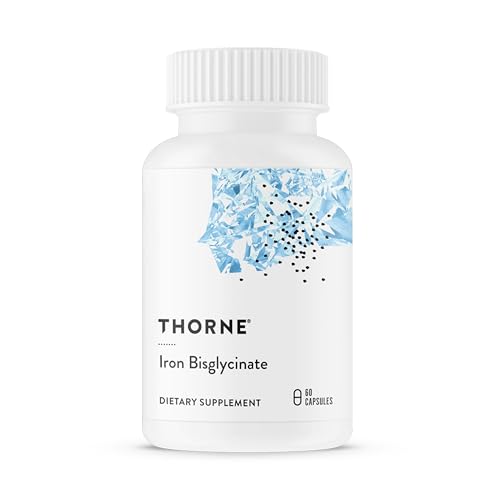
It is always advisable to discuss any supplements you are considering with your healthcare provider, especially since some supplements can interact with medications or have side effects. A healthcare professional can help you evaluate potential risks and benefits based on your individual health profile.
The Importance of Lifestyle and Holistic Approaches
While exploring supplements, it’s vital to remember that a holistic approach to health during menopause often yields the most comprehensive benefits. Prioritizing consistent, good-quality sleep can have a profound impact on energy levels. Establishing a regular sleep schedule, creating a comfortable sleep environment, and avoiding stimulants before bed can be very helpful.
Regular physical activity, tailored to individual abilities, not only supports energy but also mood and overall well-being. A balanced diet rich in whole foods provides essential nutrients that support bodily functions, including energy production. Managing stress through practices like mindfulness, yoga, or spending time in nature can also significantly influence both energy and mood, which in turn can impact libido.
For libido concerns, open communication with partners and healthcare providers can be instrumental. Addressing any discomfort or pain during sexual activity, exploring different forms of intimacy, and maintaining overall well-being can all contribute positively.
References
- Sleep quality, fatigue, and related factors among perimenopausal women in Taipei City. The journal of nursing research : JNR, 2010
- Sleep and Sleep Disorders in the Menopausal Transition. Sleep medicine clinics, 2018
- Exercise and Quality of Life in Women with Menopausal Symptoms: A Systematic Review and Meta-Analysis of Randomized Controlled Trials. International journal of environmental research and public health, 2020
- Clinical management of hypoactive sexual desire disorder in postmenopausal women. Menopause (New York, N.Y.), 2022
- International Society for the Study of Women’s Sexual Health Clinical Practice Guideline for the Use of Systemic Testosterone for Hypoactive Sexual Desire Disorder in Women. The journal of sexual medicine, 2021
- Efficacy of plant-derived dietary supplements in improving overall menopausal symptoms in women: An updated systematic review and meta-analysis. Phytotherapy research : PTR, 2024
- The 2023 nonhormone therapy position statement of The North American Menopause Society. Menopause (New York, N.Y.), 2023
These statements have not been evaluated by the Food and Drug Administration. This information is not intended to diagnose, treat, cure, or prevent any disease. Content is for informational purposes only and is not medical advice; consult a qualified healthcare provider before starting any supplement. As an Amazon Associate we earn from qualifying purchases.
