Affiliate disclosure: As an Amazon Associate, this site earns from qualifying purchases linked in this article.
Ready to buy? Check current prices on Amazon and compare deals before you decide.
Navigating the menopausal transition can bring a range of experiences, and for many women, changes in energy levels and sexual interest are common. While some degree of fatigue and shifts in libido can be part of this natural life stage, persistent or severe symptoms might warrant a conversation with your healthcare provider.
Understanding when to seek medical input can help ensure that any underlying health considerations are addressed, and that you receive appropriate support for your well-being during midlife.
Understanding Menopause-Related Fatigue
Fatigue during menopause can manifest as a pervasive lack of energy that isn’t relieved by rest, making daily activities feel more challenging. While hormonal fluctuations can contribute to these feelings, it’s important to consider that other factors might also be at play. Distinguishing between expected menopausal changes and symptoms that could signal another health issue is a key step.
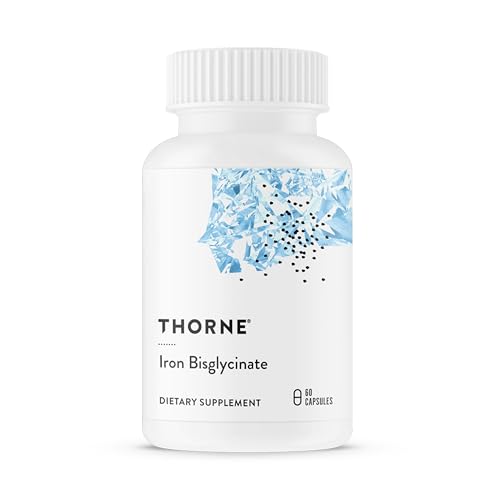
For instance, iron deficiency is a notable concern for women in their forties and fifties and can significantly impact quality of life, often presenting with fatigue [1]. If you are experiencing persistent tiredness that affects your ability to function, discussing this with your doctor can help determine if an iron deficiency screening is appropriate.
When Low Libido Might Indicate More Than Menopause
A decrease in libido, or sexual interest, is another common experience reported by women during the menopausal transition. Hormonal shifts, particularly a decline in estrogen, can contribute to vaginal dryness and discomfort, which may in turn affect sexual activity and desire. However, it’s also important to consider that low libido can be influenced by a variety of physical and psychological factors beyond typical menopausal changes.
If low libido is a significant concern for you and is impacting your quality of life, a discussion with your doctor can help explore potential contributing factors. This could include reviewing medications, assessing for underlying health conditions, or discussing lifestyle factors that may be affecting your sexual well-being. Your doctor can help you understand the range of potential influences and whether further investigation is warranted.
Potential Underlying Health Conditions to Consider
When fatigue and low libido are persistent and disruptive, it’s important to consider that conditions beyond menopause could be contributing to these symptoms. Several health issues can present with fatigue as a primary symptom, and some may also impact libido.

For example, certain autoimmune conditions, such as systemic lupus erythematosus (SLE), can manifest with fatigue, even with late onset [2]. Similarly, celiac disease and related conditions can also be associated with fatigue and may warrant testing in specific situations [3]. These are just a few examples of conditions that a healthcare provider might consider exploring if your symptoms are unusual or severe.
It’s also worth noting that nutritional factors can play a role. For instance, studies have explored the impact of dietary programs, such as a Mediterranean diet, on fatigue and menopausal symptoms in specific populations, highlighting the connection between nutrition and well-being [4].

Preparing for Your Doctor’s Visit
To make the most of your appointment, it can be helpful to come prepared. Consider keeping a brief diary of your symptoms, noting when they started, how often they occur, their severity, and any factors that seem to make them better or worse. Include details about your fatigue (e.g., is it constant? Does rest help?) and your experience with low libido (e.g., is it a lack of interest, or is sex uncomfortable?).
Also, be ready to discuss your medical history, current medications, lifestyle habits (including diet, exercise, and sleep), and any significant stressors. This comprehensive information can help your doctor gain a clearer picture of your overall health and guide their assessment. Don’t hesitate to ask questions and express your concerns openly.
The Importance of Open Communication
Open and honest communication with your healthcare provider is crucial. While it might feel uncomfortable to discuss symptoms like low libido, remember that your doctor is there to help you understand and manage your health. They can offer insights into whether your symptoms are likely related to menopause, or if further investigation for other conditions is appropriate.
Your doctor can also discuss various strategies to support your well-being, which may include lifestyle adjustments, nutritional considerations, or other approaches tailored to your individual needs. They can help you evaluate the available evidence and make informed decisions about your health journey.
References
- Forty to fifty-five-year-old women and iron deficiency: clinical considerations and quality of life. Gynecological endocrinology : the official journal of the International Society of Gynecological Endocrinology, 2017
- Late-onset Systemic Lupus Erythematosus. Rheumatology international, 2025
- Celiac Disease-Related Conditions: Who to Test?. Gastroenterology, 2024
- Evaluation of a 12-week Mediterranean diet-based nutritional and educational programme for breast cancer survivors: impact on BMI, fatigue, dietary adherence, and menopausal symptoms. Frontiers in nutrition, 2025
These statements have not been evaluated by the Food and Drug Administration. This information is not intended to diagnose, treat, cure, or prevent any disease. Content is for informational purposes only and is not medical advice; consult a qualified healthcare provider before starting any supplement. As an Amazon Associate we earn from qualifying purchases.
