Affiliate disclosure: As an Amazon Associate, this site earns from qualifying purchases linked in this article.
Ready to buy? Check current prices on Amazon and compare deals before you decide.
Menopause marks a significant transition in a woman’s life, characterized by hormonal shifts that can impact various aspects of health, including bone density. Understanding the relationship between menopause and bone health is crucial for maintaining well-being as women age.
Osteoporosis is a condition where bones become weak and brittle, increasing the likelihood of fractures. This article explores why osteoporosis risk increases during menopause and outlines practical, evidence-based strategies to support bone health.
The Link Between Menopause and Bone Density
Estrogen plays a vital role in maintaining bone strength. During the perimenopause and postmenopause, estrogen levels decline significantly [1]. This reduction in estrogen is a primary factor contributing to accelerated bone loss in women after menopause [2]. The North American Menopause Society (NAMS) highlights the importance of managing osteoporosis in postmenopausal women [3].
Bone is a living tissue that is constantly being broken down and rebuilt in a process called remodeling. Estrogen helps to regulate this process, ensuring that new bone formation keeps pace with bone breakdown. When estrogen levels drop, bone breakdown can outpace bone formation, leading to a net loss of bone mineral density [1].

What is Osteoporosis and Osteopenia?
Osteoporosis is characterized by low bone mass and structural deterioration of bone tissue, leading to increased bone fragility and a higher risk of fractures, particularly in the hip, spine, and wrist [2]. It is often referred to as a ‘silent disease’ because bone loss can occur without symptoms until a fracture happens.
Before osteoporosis develops, some women may be diagnosed with osteopenia, which indicates lower-than-normal bone mineral density but not yet at the level of osteoporosis [4]. Identifying osteopenia can be an important step in implementing strategies to help prevent the progression to osteoporosis [5].
Assessing Your Osteoporosis Risk
Several factors can influence an individual’s risk of developing osteoporosis. These include genetics, body frame size, ethnicity, and certain medical conditions or medications. Lifestyle choices, such as diet and physical activity, also play a significant role [6].
Bone mineral density (BMD) tests, often using dual-energy X-ray absorptiometry (DXA), are the gold standard for diagnosing osteoporosis and assessing fracture risk [3]. These tests measure bone density in specific areas, such as the hip and spine. The 2021 position statement of The North American Menopause Society provides guidance on the management of osteoporosis in postmenopausal women, including screening recommendations [3]. Some preliminary screening methods using self-reported questionnaires are also being explored for peri- and postmenopausal women to identify those at risk of low BMD [5].

Strategies to Support Bone Health During Menopause
While the decline in estrogen during menopause is a natural process, there are several evidence-based strategies that can help support bone health and reduce the risk of osteoporosis. These strategies often involve a combination of lifestyle adjustments and, when appropriate, medical considerations. The aim is to slow bone loss and maintain bone strength [7].
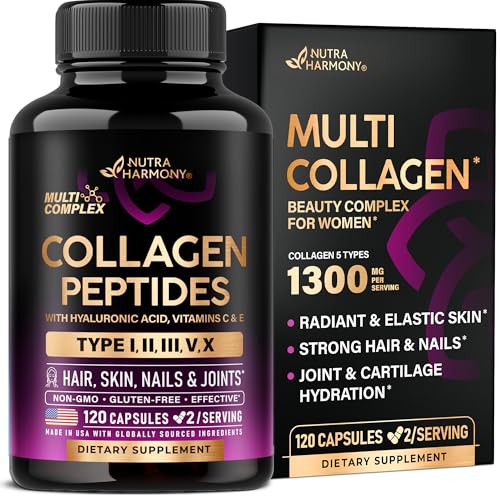
Nutrition for Bones: Adequate intake of calcium and vitamin D is fundamental for bone health. Calcium is a major building block of bone tissue, and vitamin D is essential for the body to absorb calcium effectively [6]. Dietary sources of calcium include dairy products, fortified plant-based milks, leafy greens, and certain fish. Vitamin D can be obtained through sun exposure, certain foods like fatty fish, and fortified foods. It is important to discuss appropriate intake levels with a healthcare provider.
Physical Activity: Regular weight-bearing and muscle-strengthening exercises are crucial for maintaining bone density [8]. Weight-bearing exercises, such as walking, jogging, dancing, and climbing stairs, put stress on bones, which can stimulate bone formation. Muscle-strengthening exercises, like lifting weights or using resistance bands, also contribute to bone strength and can improve balance, potentially reducing the risk of falls and subsequent fractures [8]. An evidence-based guide to optimal exercise prescription for osteoporosis prevention in postmenopausal women is available [8].
Lifestyle Choices: Avoiding smoking and limiting alcohol intake are also important for bone health. Smoking has been linked to lower bone density and increased fracture risk, while excessive alcohol consumption can interfere with calcium absorption and bone formation [6].
Other Considerations: Emerging research is exploring the potential role of probiotics and prebiotics in menopause-related conditions, including bone health, though more robust evidence is needed in this area [9]. For some women, medical interventions may be considered. The 2021 position statement of The North American Menopause Society provides comprehensive guidance on the management of osteoporosis in postmenopausal women, including various therapeutic options [3].
References
- Bone and the perimenopause. Obstetrics and gynecology clinics of North America, 2011
- Postmenopausal Osteoporosis: A Literature Review. Cureus, 2022
- Management of osteoporosis in postmenopausal women: the 2021 position statement of The North American Menopause Society. Menopause (New York, N.Y.), 2021
- Osteopenia. Disease-a-month : DM, 1987
- Preliminary Screening Method for Low Bone Mineral Density Using a Self-Reported Questionnaire among Peri- and Postmenopausal Women. Asian spine journal, 2022
- Bone health and menopause: Osteoporosis prevention and treatment. Best practice & research. Clinical endocrinology & metabolism, 2024
- Management of menopause: a view towards prevention. The lancet. Diabetes & endocrinology, 2022
- Exercise for the prevention of osteoporosis in postmenopausal women: an evidence-based guide to the optimal prescription. Brazilian journal of physical therapy, 2019
- Probiotics and Prebiotics: Any Role in Menopause-Related Diseases?. Current nutrition reports, 2023
These statements have not been evaluated by the Food and Drug Administration. This information is not intended to diagnose, treat, cure, or prevent any disease. Content is for informational purposes only and is not medical advice; consult a qualified healthcare provider before starting any supplement. As an Amazon Associate we earn from qualifying purchases.
