Affiliate disclosure: As an Amazon Associate, this site earns from qualifying purchases linked in this article.
Ready to buy? Check current prices on Amazon and compare deals before you decide.
Many women notice changes in their hair during midlife and menopause, often experiencing thinning or a reduction in density. While hormonal shifts are a significant factor, not everyone is able or chooses to use hormonal interventions. This article focuses on non-hormonal approaches that may help manage menopause-related hair loss.
Understanding the available non-hormonal options can empower you to have informed discussions with your healthcare provider about managing hair changes. It’s important to remember that individual responses can vary, and consistency is often key when exploring these strategies.
Understanding Hair Changes During Menopause
Hair thinning in women, often referred to as female pattern hair loss (FPHL), is a common concern. While it can occur at any age, it is frequently observed during and after menopause. This type of hair loss is characterized by a reduction in hair density, particularly on the top of the scalp, and can be influenced by genetic predispositions and hormonal fluctuations [1].
The hair growth cycle involves phases of growth (anagen), transition (catagen), and rest (telogen). In FPHL, the anagen phase may shorten, and hair follicles can miniaturize, producing finer, shorter hairs [1]. While androgens (male hormones) play a role in androgenetic alopecia, which affects both men and women, the precise mechanisms in menopausal hair thinning are complex and involve various factors[2][3].

Topical Minoxidil: A Widely Studied Non-Hormonal Option
Minoxidil is a well-established topical medication for hair loss and is often considered a first-line non-hormonal option for female pattern hair loss [1]. It is thought to work by prolonging the anagen phase of the hair cycle and increasing the size of miniaturized hair follicles. Minoxidil is available in different concentrations, typically 2% and 5%.
Studies have investigated the efficacy and safety of topical minoxidil in women. For example, a prospective, randomized trial explored the use of 5% minoxidil alone and in combination with other methods for female pattern hair loss [4]. Consistent application over several months is generally needed to observe potential benefits, and continued use is often necessary to maintain any improvements [1].
It’s important to discuss the appropriate concentration and application frequency with a healthcare professional, as well as potential side effects, which can include scalp irritation or unwanted facial hair growth in some individuals.

Microneedling: Supporting Hair Follicle Health
Microneedling is a procedure that involves using a device with fine needles to create tiny punctures in the skin. This process is thought to stimulate collagen production and improve blood flow, and it has been explored for its potential role in hair health [5].
Research suggests that microneedling may enhance the absorption of topical treatments, such as minoxidil, potentially leading to improved outcomes when used in combination [4]. A study evaluating different approaches for female pattern hair loss included a group that received minoxidil alongside microneedling [4]. While the evidence suggests potential benefits, microneedling should be performed by a trained professional or under their guidance to minimize risks and ensure proper technique.
Exploring Other Non-Hormonal Approaches
Beyond minoxidil and microneedling, other non-hormonal strategies are being investigated for their potential to support hair health. These include certain botanical preparations and nutritional considerations. While some women explore these options, the scientific evidence for their effectiveness in menopause-related hair loss can be less robust than for established treatments.
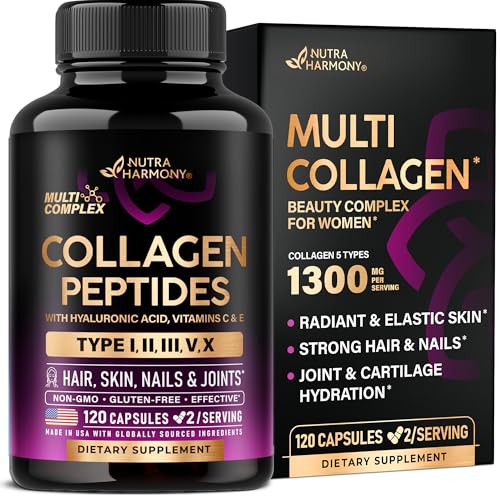
Some botanical preparations have been traditionally used for hair loss, and current research is exploring their potential mechanisms and efficacy [6]. However, the quality and strength of evidence for many of these preparations can vary. It is always advisable to discuss any supplements or botanical remedies with a healthcare provider, especially as they can interact with other medications or have their own potential side effects.
Maintaining a balanced diet rich in vitamins and minerals is generally supportive of overall health, including hair health. While specific deficiencies can impact hair, the role of generalized supplementation for hair loss in the absence of a diagnosed deficiency is less clear. A healthcare provider can help assess nutritional status if there are concerns.
Combination Strategies for Enhanced Outcomes
For some individuals, a multi-faceted approach combining different non-hormonal methods may offer more comprehensive support for hair thinning. The concept of combination therapy is gaining recognition in managing various types of hair loss, including female pattern hair loss [5].
For instance, a study specifically looked at combining 5% minoxidil with microneedling, observing its effects on female pattern hair loss [4]. The rationale behind combination strategies is often to address different aspects of hair follicle health or to enhance the effectiveness of individual treatments. Any combination approach should be discussed and monitored by a healthcare professional to ensure safety and suitability.

References
- Female pattern hair loss. Current problems in dermatology, 2015
- Androgenetic alopecia. Giornale italiano di dermatologia e venereologia : organo ufficiale, Societa italiana di dermatologia e sifilografia, 2014
- Current concepts in aesthetic endocrinology. Gynecological endocrinology : the official journal of the International Society of Gynecological Endocrinology, 2002
- Efficacy and Safety of 5% Minoxidil Alone, Minoxidil Plus Oral Spironolactone, and Minoxidil Plus Microneedling on Female Pattern Hair Loss: A Prospective, Single-Center, Parallel-Group, Evaluator Blinded, Randomized Trial. Frontiers in medicine, 2022
- Combination Approaches for Combatting Hair Loss. Dermatologic clinics, 2021
- Botanical drug preparations for alleviating hair loss in menopausal women: a global ethnopharmacological mini-review. Frontiers in pharmacology, 2025
These statements have not been evaluated by the Food and Drug Administration. This information is not intended to diagnose, treat, cure, or prevent any disease. Content is for informational purposes only and is not medical advice; consult a qualified healthcare provider before starting any supplement. As an Amazon Associate we earn from qualifying purchases.
