Affiliate disclosure: As an Amazon Associate, this site earns from qualifying purchases linked in this article.
Ready to buy? Check current prices on Amazon and compare deals before you decide.
Experiencing changes in hair density and texture is a common concern for women navigating midlife and menopause. Many women notice their hair becoming thinner, losing volume, or shedding more than usual during this time. These changes can be distressing, but understanding the underlying factors can help inform effective approaches.
This article explores the reasons behind menopause-related hair loss and thinning, along with evidence-based solutions that may help manage these changes. It’s important to remember that individual experiences vary, and consulting with a healthcare provider is always recommended for personalized guidance.
Why Does Hair Thin During Menopause?
The primary driver of hair changes during menopause is often hormonal fluctuation. As women approach and enter menopause, estrogen levels decline significantly, and androgen levels (like testosterone) decline as well [1]. These hormonal changes can influence hair follicles.
Hair loss patterns in women, often referred to as female pattern hair loss (FPHL) or androgenetic alopecia, are characterized by a diffuse thinning across the scalp rather than receding hairlines seen in men[2][3]. While androgens play a role in this type of hair loss, the exact mechanisms are complex and involve genetic predisposition as well as hormonal influences [3]. The hair follicles on the scalp can become sensitive to androgens, leading to a shortening of the hair’s growth phase and miniaturization of the follicles, producing finer, shorter hairs [3].
It’s also worth noting that other types of hair loss, such as frontal fibrosing alopecia, can occur, which involves scarring and permanent hair loss, particularly along the frontal hairline[4][5]. While less common, it’s crucial for a healthcare professional to differentiate between various forms of hair loss to ensure appropriate management.

Topical and Oral Medications for Hair Thinning
Several pharmacological options are available that may help manage hair thinning. Minoxidil, available over-the-counter, is a commonly recommended topical solution for female pattern hair loss. It works by prolonging the growth phase of hair follicles and increasing their size. Consistent use is generally required to see and maintain results.
Oral medications can also be considered. Dutasteride, for instance, has been reviewed for its efficacy and safety in addressing alopecia [6]. This medication works by inhibiting enzymes that convert testosterone into dihydrotestosterone (DHT), a potent androgen implicated in hair loss. However, its use in women, particularly those of childbearing potential, requires careful consideration due to potential side effects and risks, and it is typically prescribed by a specialist.
Another class of medications, anti-androgens like spironolactone, may also be prescribed off-label for female pattern hair loss, especially when there are signs of androgen excess, such as acne [7]. These medications aim to block the effects of androgens on hair follicles. Like all prescription medications, they come with potential side effects and require medical supervision.
Nutraceutical and Supplement Approaches
Some women explore nutraceuticals and dietary supplements to support hair health during menopause. A randomized, double-blind, placebo-controlled study investigated a specific nutraceutical supplement for promoting hair growth in perimenopausal, menopausal, and postmenopausal women with thinning hair. The study found that the supplement was effective in promoting hair growth in this population [8]. These types of supplements often contain a blend of vitamins, minerals, and botanical extracts thought to support hair follicle function.
Another ingredient that has garnered attention is saw palmetto (Serenoa repens). A study evaluated the safety and efficacy of a novel saw palmetto extract for promoting hair growth in adults with self-perceived thinning hair, showing positive results over 180 days [9]. Saw palmetto is believed to work by inhibiting the enzyme 5-alpha-reductase, similar to some prescription medications, thereby potentially reducing the impact of androgens on hair follicles. While these findings are promising, it’s important to remember that supplement quality and efficacy can vary, and more large-scale research is often needed.
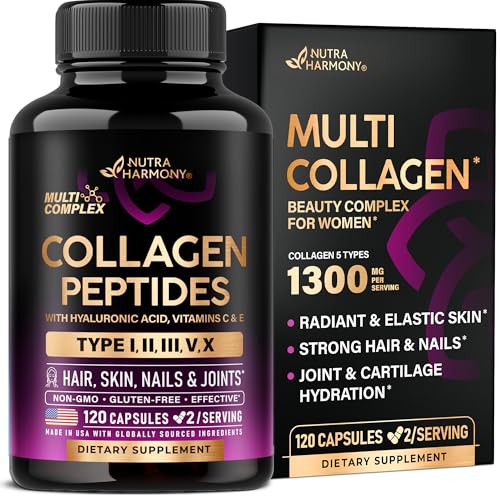
When considering supplements, it’s always advisable to discuss them with a healthcare provider, especially if you are taking other medications or have underlying health conditions, to ensure safety and appropriateness.
Hormone Therapy and Hair Health
Hormone therapy (HT), which involves replenishing estrogen and sometimes progesterone, is a primary approach for managing a range of menopause symptoms [10]. While HT primarily addresses symptoms like hot flashes and night sweats, its potential impact on hair thinning is less straightforward. Since hair thinning is often linked to the relative increase in androgens, simply replacing estrogen may not directly reverse androgen-driven hair loss in all cases.
Some women may find their hair health improves with HT as it helps to rebalance hormones, while others may not see a significant change in hair density. The decision to use HT is complex and involves weighing individual risks and benefits for overall menopause symptom management, not solely for hair loss. This discussion should always take place with a healthcare professional.
Lifestyle Considerations for Hair Health
Beyond specific interventions, general lifestyle factors can play a role in overall hair health. A balanced diet rich in essential nutrients, including proteins, vitamins (especially B vitamins, vitamin D), and minerals (like iron and zinc), supports healthy hair growth. Nutritional deficiencies can exacerbate hair shedding, so ensuring adequate intake is important. If dietary intake is a concern, a healthcare provider can recommend blood tests to check for deficiencies.
Managing stress is also beneficial, as chronic stress can impact the hair growth cycle. Techniques such as mindfulness, yoga, or regular exercise may help mitigate stress levels. Gentle hair care practices, such as avoiding harsh chemical treatments, excessive heat styling, and tight hairstyles that pull on the hair, can also help minimize damage and breakage, preserving existing hair.
References
- Androgens and menopause. Minerva ginecologica, 2009
- Female pattern hair loss. Current problems in dermatology, 2015
- Androgenetic alopecia. Battling a losing proposition. Postgraduate medicine, 1997
- [Frontal fibrosing alopecia]. Annales de dermatologie et de venereologie, 2014
- Update on Frontal Fibrosing Alopecia. Actas dermo-sifiliograficas, 2017
- Efficacy and safety of dutasteride in the treatment of alopecia: a comprehensive review. Expert opinion on pharmacotherapy, 2025
- Menopausal Acne – Challenges And Solutions. International journal of women’s health, 2019
- A Randomized, Double-Blind, Placebo-Controlled Study of a Nutraceutical Supplement for Promoting Hair Growth in Perimenopausal, Menopausal, and Postmenopausal Women With Thinning Hair. Journal of drugs in dermatology : JDD, 2021
- The Safety and Efficacy of a Novel Saw Palmetto (Serenoa repens) Extract for Promoting Hair Growth in Adults With Self-Perceived Thinning Hair: 180-Day Results. Journal of cosmetic dermatology, 2026
- Management of Menopause Symptoms. Primary care, 2025
These statements have not been evaluated by the Food and Drug Administration. This information is not intended to diagnose, treat, cure, or prevent any disease. Content is for informational purposes only and is not medical advice; consult a qualified healthcare provider before starting any supplement. As an Amazon Associate we earn from qualifying purchases.
