Affiliate disclosure: As an Amazon Associate, this site earns from qualifying purchases linked in this article.
Ready to buy? Check current prices on Amazon and compare deals before you decide.
Navigating the menopausal transition can bring about a range of experiences, and for some women, increased anxiety is a notable change. This period, encompassing perimenopause and postmenopause, involves hormonal shifts that can influence mood and emotional well-being.
While anxiety can be a challenging symptom, various natural strategies may offer support. This article explores evidence-based approaches that women might consider to help manage anxiety during this life stage, focusing on lifestyle and mind-body practices.
Mindfulness-Based Practices for Emotional Well-being
Mindfulness-based interventions (MBIs) have garnered attention for their potential role in supporting mental health. Research suggests that MBIs, which include practices like meditation and focused breathing, may help to reduce symptoms of anxiety, depression, and stress in menopausal women [1].

Specifically, mindfulness-based stress reduction (MBSR) has been shown to be effective in addressing anxiety in menopausal women [2]. Furthermore, a systematic review found that mindfulness-based interventions significantly reduced stress in menopausal women, while effects on anxiety, depression, and mindfulness were not statistically significant [1]. Some studies also indicate that mindfulness meditation training can improve anxiety, depression, and sleep quality in perimenopausal women [3].
It’s worth noting that while mindfulness is generally associated with positive outcomes, the relationship between mindfulness and insomnia after menopause can be complex, and individual experiences may vary [4]. Overall, mindfulness-based approaches are considered a promising strategy for psychological symptoms during menopause [5].
The Role of Physical Activity and Mind-Body Exercise
Engaging in regular physical activity is widely recognized for its benefits across various aspects of health, and this extends to emotional well-being during menopause. Physical activity can play a significant role in addressing detrimental health changes during menopause [6].
Mind-body exercises, which integrate physical postures, breathing techniques, and meditation or relaxation, have also been investigated. A systematic review and meta-analysis indicated that mind-body exercises may have positive effects on perimenopausal and postmenopausal women [7]. These types of activities, such as yoga or tai chi, can provide a gentle yet effective way to incorporate movement and mindfulness into a routine.
Dietary Considerations and Nutritional Support
Nutrition plays a foundational role in overall health, and researchers are exploring its specific impact on menopausal symptoms, including anxiety. A systematic review and meta-analysis looked at the effects of nutritional interventions on the severity of depressive and anxiety symptoms in women during the menopausal transition and menopause [8]. The findings suggest that certain nutritional strategies might influence these symptoms, although more targeted research is often needed to draw firm conclusions.
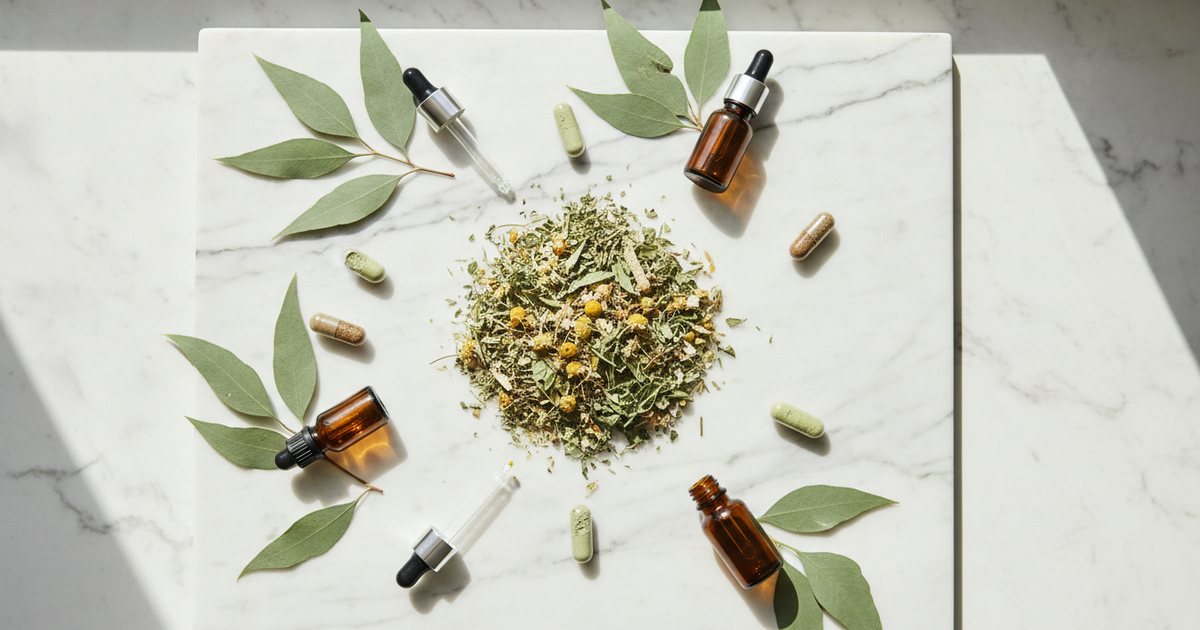

One nutrient that has received attention in women’s health is creatine. While primarily known for its role in muscle and athletic performance, research is emerging on creatine’s broader applications across different life stages, including menopause. Its potential impact on brain health and mood is an area of ongoing investigation, bridging the gap from menstruation through pregnancy to menopause [9].
Addressing Sleep Disturbances
Sleep quality can significantly impact anxiety levels, and sleep disorders are common during menopause [10]. Difficulties with sleep can exacerbate feelings of anxiety and stress. Therefore, addressing sleep disturbances can be an indirect but important strategy for managing anxiety.
While not a direct anxiety intervention, improving sleep hygiene and exploring strategies to support restful sleep, such as consistent sleep schedules, a comfortable sleep environment, and limiting caffeine and alcohol, can contribute to overall well-being and potentially help mitigate anxiety. Mindfulness-based interventions have also been observed to improve sleep quality in perimenopausal women [3] and are considered helpful for sleep-related symptoms during menopause [5].
References
- The effects of mindfulness-based interventions on anxiety, depression, stress, and mindfulness in menopausal women: A systematic review and meta-analysis. Frontiers in public health, 2022
- Anxiety disorder in menopausal women and the intervention efficacy of mindfulness-based stress reduction. American journal of translational research, 2023
- [Effect of mindfulness meditation training on anxiety, depression and sleep quality in perimenopausal women]. Nan fang yi ke da xue xue bao = Journal of Southern Medical University, 2019
- Is mindfulness associated with insomnia after menopause?. Menopause (New York, N.Y.), 2014
- Cognitive-behavioral, acceptance-based, and mindfulness-based interventions for psychological and sleep-related symptoms during menopause: a systematic review. Acta psychologica, 2026
- Detrimental Changes in Health during Menopause: The Role of Physical Activity. International journal of sports medicine, 2023
- Effects of mind-body exercise on perimenopausal and postmenopausal women: a systematic review and meta-analysis. Menopause (New York, N.Y.), 2024
- Effects of nutritional interventions on the severity of depressive and anxiety symptoms of women in the menopausal transition and menopause: a systematic review, meta-analysis, and meta-regression. Menopause (New York, N.Y.), 2023
- Creatine in women’s health: bridging the gap from menstruation through pregnancy to menopause. Journal of the International Society of Sports Nutrition, 2025
- Menopause and Sleep Disorders. Journal of mid-life health, 2022
These statements have not been evaluated by the Food and Drug Administration. This information is not intended to diagnose, treat, cure, or prevent any disease. Content is for informational purposes only and is not medical advice; consult a qualified healthcare provider before starting any supplement. As an Amazon Associate we earn from qualifying purchases.
