Affiliate disclosure: As an Amazon Associate, this site earns from qualifying purchases linked in this article.
Ready to buy? Check current prices on Amazon and compare deals before you decide.
Night sweats are a common experience during menopause, often disrupting sleep and impacting daily life. These episodes of excessive perspiration can leave you feeling overheated and uncomfortable, making a good night’s rest challenging.
While various strategies exist to manage night sweats, many women look for non-pharmacological approaches. This article explores the potential role of cooling sleepwear and personal cooling devices, offering practical insights into these options.
Understanding Menopausal Night Sweats
Menopausal night sweats, often referred to as vasomotor symptoms (VMS), are characterized by sudden sensations of intense heat, followed by profuse sweating[1][2]. These episodes can occur at any time but are particularly disruptive when they happen during sleep, leading to awakenings and fragmented rest[3][4].
The exact mechanisms behind menopausal night sweats are complex, but they are thought to be related to fluctuating hormone levels affecting the body’s thermoregulatory center in the brain. This can lead to a narrowed ‘thermoneutral zone,’ meaning the body is more sensitive to small changes in temperature and reacts by initiating a sweat response to cool down[5].
The Concept of Cooling Sleepwear
Cooling sleepwear is designed with specific fabrics and technologies intended to help regulate body temperature, particularly during sleep. The goal is to wick away moisture, enhance breathability, and promote a cooler sleeping environment, which may offer relief for individuals experiencing night sweats.

Common materials used in cooling sleepwear include natural fibers like bamboo, cotton, and merino wool, often treated or woven in ways that enhance their moisture-wicking and breathability properties. Synthetic fibers, such as specialized polyesters and nylons, are also engineered to draw sweat away from the skin and facilitate quick evaporation. The effectiveness of these materials can vary between individuals and depends on the severity of their night sweats and personal comfort preferences.
When considering cooling sleepwear, factors such as fabric composition, weave, and fit can all contribute to its potential cooling effect. Loose-fitting garments made from highly breathable fabrics are generally recommended to allow for better air circulation and heat dissipation.
Exploring Personal Cooling Devices
Beyond sleepwear, a range of personal cooling devices has emerged, aiming to provide targeted relief from overheating. These devices can be broadly categorized into wearable options and bedside or bed-integrated systems.
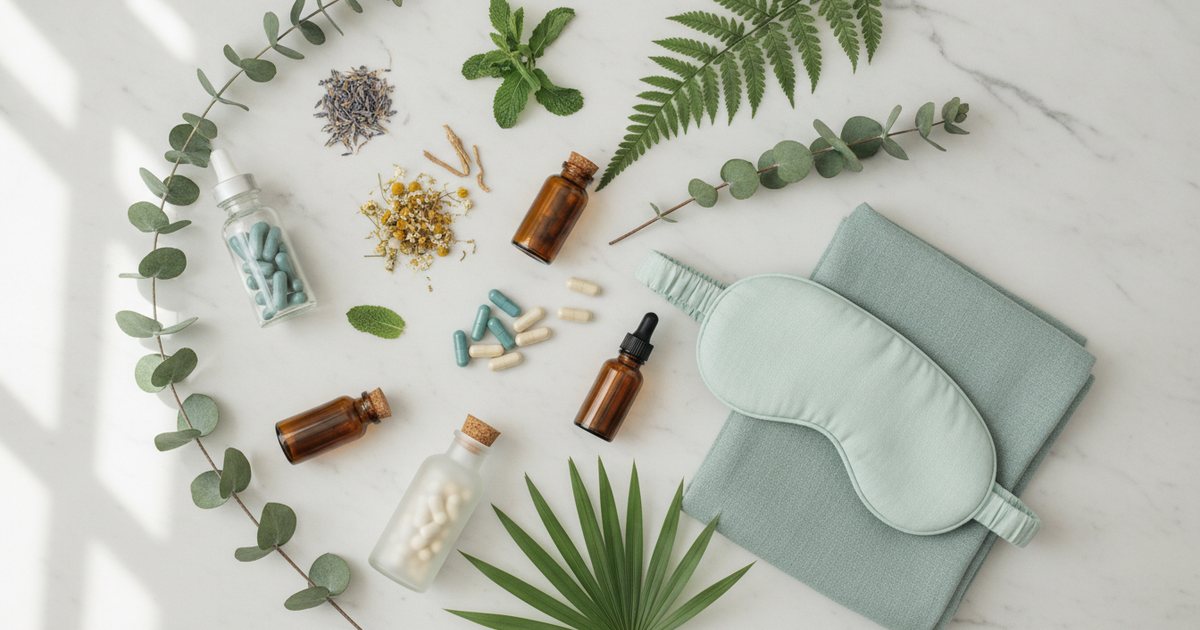
Wearable cooling devices might include neck fans, cooling towels, or wrist-worn devices that use thermoelectric cooling to provide localized temperature reduction. These are often portable and can be used on demand when a hot flash or night sweat begins, or even proactively.
Bedside or bed-integrated cooling systems offer a more comprehensive approach. These can range from mattress pads with circulating water or air to specialized pillows designed to stay cool. Some advanced systems allow for precise temperature control, enabling users to set their preferred sleeping temperature, which may help mitigate the impact of night sweats by maintaining a consistently cooler sleep surface.
Practical Considerations and Tips for Use
When exploring cooling sleepwear and personal devices, it’s important to consider your individual needs and preferences. Start by researching different products and reading user reviews to understand their reported effectiveness and comfort.
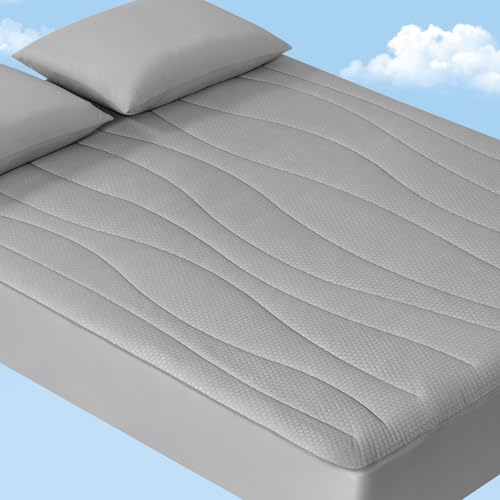
For cooling sleepwear, experiment with various fabrics and styles to find what feels most comfortable and effective for you. Consider layering options, such as a lightweight cooling top that can be easily removed if needed. Remember that what works for one person may not work for another.
With personal cooling devices, evaluate their practicality, ease of use, and maintenance requirements. For example, some bed cooling systems may require regular water refills or cleaning. Consider noise levels for devices that involve fans or pumps, as this could potentially disrupt sleep further. It’s often helpful to try one product at a time to assess its impact on your sleep and night sweats.
What the Evidence Says (and Doesn’t Say)
Currently, there is limited scientific evidence specifically evaluating the effectiveness of cooling sleepwear and personal cooling devices in reducing the frequency or intensity of menopausal night sweats. While many anecdotal reports suggest these products can provide comfort and relief for some individuals, robust clinical studies are scarce[6].
Most claims about these products are based on the properties of the materials or the engineering of the devices themselves, rather than direct evidence of their impact on menopausal symptoms. This means that while the principles behind their design (e.g., moisture-wicking, temperature regulation) are sound, their specific efficacy for night sweats has not been widely established through rigorous research.
Therefore, while these options may offer a degree of comfort and support for managing night sweats, it’s important to approach them with realistic expectations. They may be a helpful component of a broader strategy, but they are not a guaranteed solution.
References
- Menopausal hot flashes: mechanisms, endocrinology, treatment. The Journal of steroid biochemistry and molecular biology, 2014
- Understanding the pathophysiology of vasomotor symptoms (hot flushes and night sweats) that occur in perimenopause, menopause, and postmenopause life stages. Archives of women’s mental health, 2007
- Nocturnal Hot Flashes: Relationship to Objective Awakenings and Sleep Stage Transitions. Journal of clinical sleep medicine : JCSM : official publication of the American Academy of Sleep Medicine, 2016
- Sleep and Sleep Disorders in the Menopausal Transition. Sleep medicine clinics, 2018
- Reduced thermoregulatory null zone in postmenopausal women with hot flashes. American journal of obstetrics and gynecology, 1999
- The 2023 nonhormone therapy position statement of The North American Menopause Society. Menopause (New York, N.Y.), 2023
These statements have not been evaluated by the Food and Drug Administration. This information is not intended to diagnose, treat, cure, or prevent any disease. Content is for informational purposes only and is not medical advice; consult a qualified healthcare provider before starting any supplement. As an Amazon Associate we earn from qualifying purchases.
